
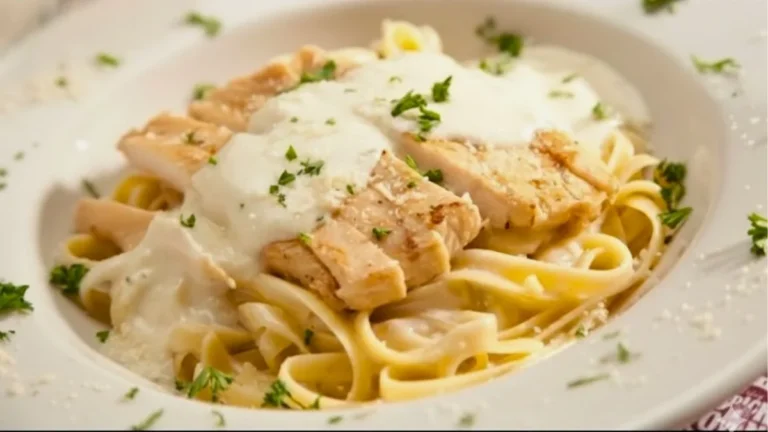

Craving the indulgent, velvety richness of Cheesecake Factory fettuccine alfredo? This iconic dish has captivated pasta lovers for years with its impossibly creamy sauce, perfectly seasoned chicken, and al dente noodles that capture every drop of that luxurious coating.
Learning how to make Cheesecake Factory fettuccine alfredo at home is easier than you might think, requiring just a handful of quality ingredients and proper technique. The secret lies in understanding the Cheesecake Factory fettuccine alfredo ingredients-real butter, heavy cream, freshly grated Parmesan, and tender chicken cutlets-and how they work together to create that signature restaurant-quality experience.
Whether you’re seeking comfort food on a cozy evening or planning an impressive dinner for guests, this Cheesecake Factory fettuccine alfredo recipe delivers authentic flavors that rival your favorite restaurant booth.
What Does It Taste Like?
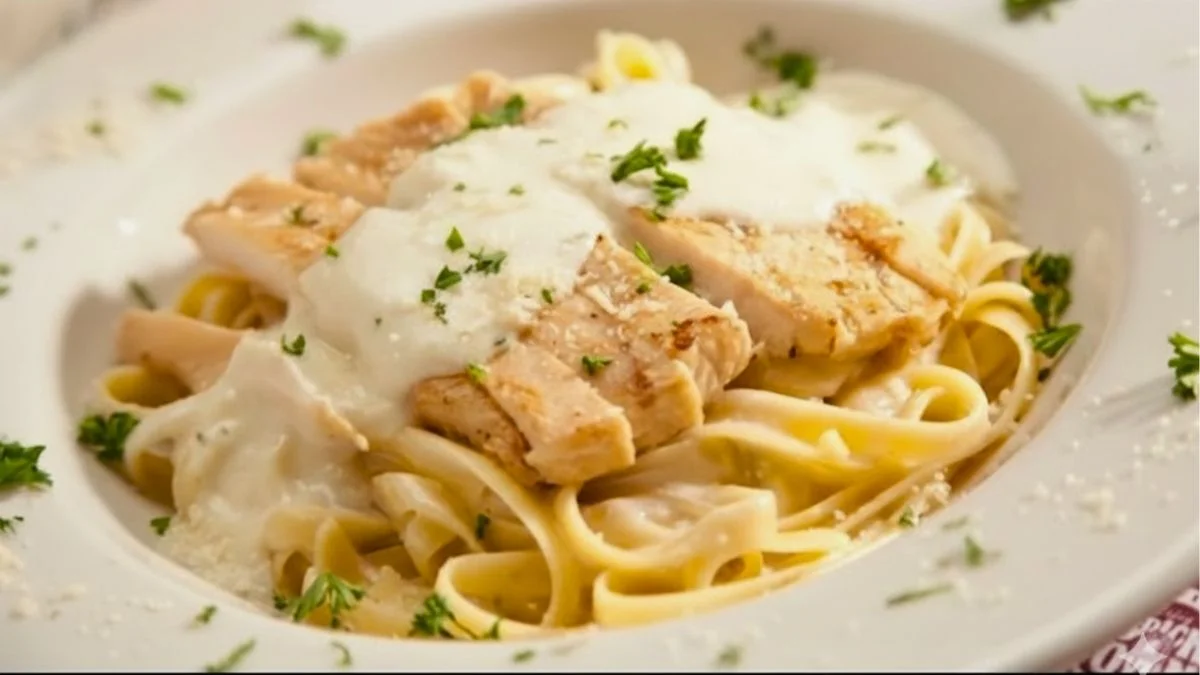
The Cheesecake Factory fettuccine alfredo is pure indulgence on a plate-a symphony of rich, creamy, and savory flavors that coat your palate with luxurious satisfaction. The sauce delivers a silky-smooth texture with prominent buttery notes balanced by the sharp, nutty complexity of aged Parmesan cheese.
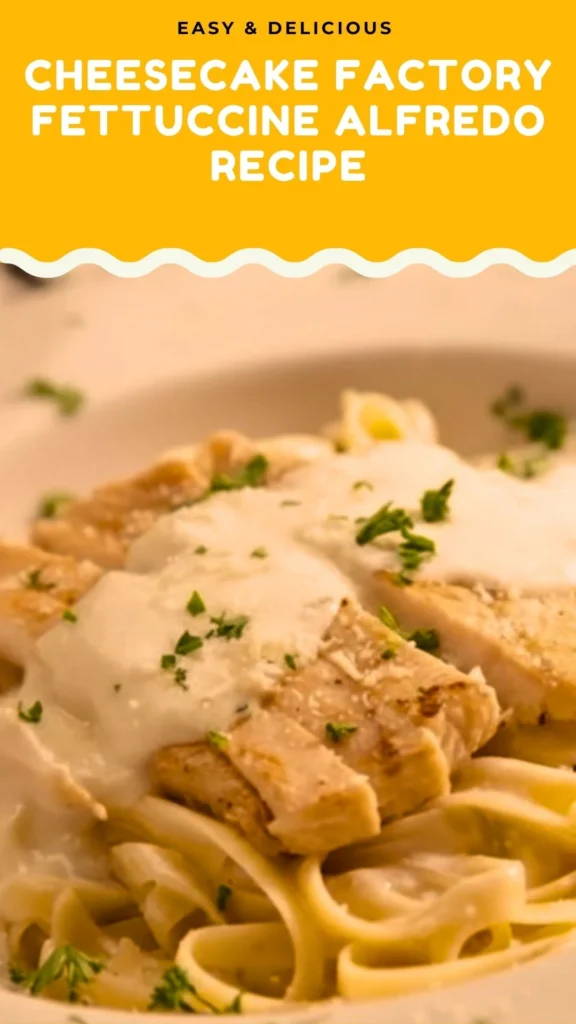
Each forkful of fettuccine carries this decadent coating that’s neither too thick nor too thin, clinging perfectly to the pasta. The Cheesecake Factory fettuccine alfredo chicken adds a savory, slightly crispy element with golden-brown edges and juicy interior that contrasts beautifully with the creamy sauce.
Subtle garlic undertones provide aromatic depth without overpowering, while optional nutmeg adds a whisper of warmth and sophisticated complexity. The overall experience is comfort food elevated-rich enough to feel special, balanced enough to keep you coming back for another bite.If you love creamy pasta, try our Pasta Da Vinci, Farfalle Pasta, or Evelyn’s Favorite Pasta for more Cheesecake Factory favorites.
Ingredients and Kitchen Utensils Lists
Ingredients
For the chicken:
- 2 boneless chicken breasts
- Salt (for seasoning)
- Black pepper (for seasoning)
- Paprika (for color and mild flavor)
- 1 tablespoon butter
- 2 tablespoons olive oil
For the Alfredo sauce:
- ½ cup butter (1 stick)
- 2-4 garlic cloves, finely minced or crushed
- 1½ cups heavy cream (whipping cream)
- 1½ cups freshly grated Parmesan cheese (from block)
- Salt (to taste)
- Black pepper (to taste)
- Pinch of nutmeg or Italian seasoning (optional)
For the pasta:
- 8-12 ounces fettuccine
- Salt (for pasta water)
For garnish:
- Fresh chopped parsley
- Extra Parmesan cheese
Kitchen Utensils
- Large skillet or sauté pan
- Large pot for boiling pasta
- Sharp chef’s knife
- Cutting board
- Meat mallet or rolling pin (for butterflying chicken)
- Whisk
- Tongs or pasta fork
- Colander or strainer
- Box grater or microplane (for fresh Parmesan)
- Measuring cups and spoons
- Small bowl (for reserved pasta water)
Preparation and Cooking Time with Serving
Prep Time: 15 minutes
Cook Time: 20 minutes
Total Time: 35 minutes
Servings: 2-3 people (easily doubles for 4-6)
Difficulty Level: Intermediate
Recipe Instructions with Steps
Step 1: Prepare the Chicken
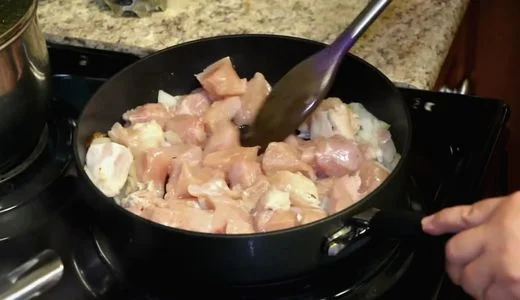
Begin your Cheesecake Factory fettuccine alfredo chicken by placing the chicken breasts on a clean cutting board. Using a sharp knife, butterfly each breast by slicing horizontally through the middle, opening them like a book, then cutting completely in half to create four thinner cutlets. This technique ensures faster, more even cooking. Season both sides of each cutlet generously with salt, freshly cracked black pepper, and a light dusting of paprika, which adds beautiful color and subtle smoky-sweet flavor. Pat the seasonings gently into the meat to help them adhere.
Step 2: Sear the Chicken
Heat a large skillet over medium-high heat and add 2 tablespoons olive oil along with 1 tablespoon butter. Once the butter melts and begins to foam (but before it browns), carefully place the seasoned chicken cutlets in the pan without crowding-work in batches if necessary. Sear for 3-5 minutes on the first side without moving them, allowing a golden-brown crust to develop. Flip and cook the second side for another 3-4 minutes until the internal temperature reaches 165°F and the chicken is cooked through with no pink remaining. Remove the chicken to a plate, tent loosely with foil to keep warm, and let it rest for 5 minutes before slicing into strips. Don’t wipe out the skillet-those flavorful browned bits (fond) will enhance your sauce.
Step 3: Boil the Pasta
While the chicken rests, bring a large pot of water to a rolling boil. Add a generous amount of salt-the water should taste like the sea. This is your only opportunity to season the pasta itself. Add the fettuccine and cook according to package directions until al dente, typically 8-10 minutes. The pasta should have a slight firmness when bitten but not be crunchy or chalky in the center. Before draining, use a measuring cup to reserve about ½ cup of the starchy pasta cooking water-this liquid gold can help adjust sauce consistency later. Drain the fettuccine in a colander but don’t rinse, as the residual starch helps the sauce cling beautifully.
Step 4: Start the Alfredo Sauce
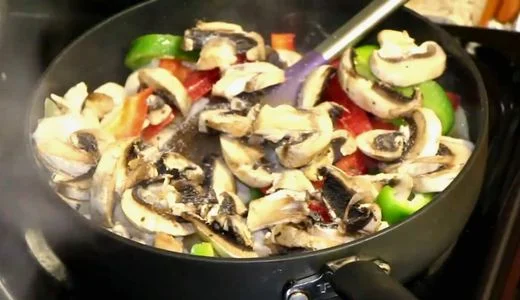
Return your chicken skillet to medium heat-those caramelized bits on the bottom will infuse incredible depth into your Cheesecake Factory fettuccine alfredo sauce. Add the ½ cup (1 stick) of butter, allowing it to melt slowly and completely. As the butter melts, use a wooden spoon to gently scrape up any browned chicken remnants from the pan bottom. Add your minced garlic (start with 2 cloves if you prefer mild garlic flavor, use 4 for bold garlic lovers) and sauté for about 1 minute, stirring constantly. The garlic should become fragrant and translucent but never brown, as burnt garlic turns bitter and will ruin your sauce.
Step 5: Build the Cream Base
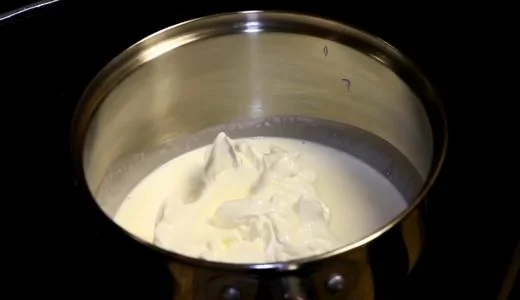
Pour 1½ cups of heavy cream into the garlic-butter mixture, stirring to combine. Increase heat slightly to bring the cream to a gentle simmer-you should see small bubbles around the edges but not a rolling boil, which could cause the cream to break or curdle. Let this mixture simmer undisturbed for 3-5 minutes, allowing it to reduce slightly and thicken. You’ll notice the cream taking on a pale ivory color and becoming noticeably thicker as it coats the back of your spoon. This reduction concentrates flavors and creates that luxurious, restaurant-quality texture essential to understanding how to make Cheesecake Factory fettuccine alfredo properly.
Step 6: Add the Parmesan
Reduce heat to medium-low before adding cheese-high heat can cause Parmesan to clump rather than melt smoothly. Add your 1½ cups of freshly grated Parmesan cheese gradually, whisking constantly in a figure-eight motion. Add about ⅓ of the cheese, whisk until melted and incorporated, then repeat with the remaining cheese in two more additions. This gradual method prevents clumping and ensures a silky-smooth sauce. The sauce should be thick enough to coat the back of a spoon but still pourable. Season with salt (remember, Parmesan is salty, so taste first), black pepper, and if desired, a small pinch of freshly grated nutmeg or ½ teaspoon Italian seasoning for additional complexity.
Step 7: Combine Pasta and Sauce
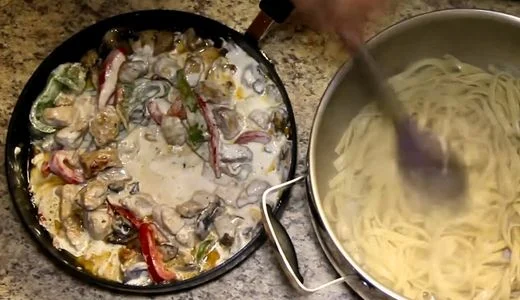
Add your drained fettuccine directly into the Alfredo sauce while both are still hot. Using tongs or a pasta fork, toss and lift the noodles repeatedly, ensuring every strand gets thoroughly coated with the creamy sauce. This step is crucial for achieving that signature the Cheesecake Factory fettuccine alfredo experience where pasta and sauce become one unified dish rather than noodles sitting in a pool of liquid. If the sauce seems too thick or the pasta appears dry, add reserved pasta water one tablespoon at a time, tossing between additions until you reach perfect consistency-the sauce should coat noodles luxuriously without being gloppy or watery.
Step 8: Add Chicken and Serve
Slice your rested chicken breasts into diagonal strips about ½-inch thick. Arrange the sliced Cheesecake Factory fettuccine alfredo chicken attractively over the top of the sauced pasta, either fanning the strips across the surface or creating a neat pile in the center. The residual heat from the pasta will warm the chicken through. Transfer to serving plates or a large platter, garnish generously with freshly chopped parsley for color and freshness, and finish with a final snowfall of grated Parmesan cheese. Serve immediately while hot-Alfredo sauce waits for no one and is best enjoyed straight from the pan.
Customization and Pairing for Serving Ideas
1. Protein Variations Beyond Chicken
While Cheesecake Factory fettuccine alfredo chicken is the classic preparation, this versatile sauce welcomes numerous protein alternatives. Substitute grilled or pan-seared shrimp (1 pound, deveined) seasoned with Old Bay or Cajun spices for a luxurious seafood version. Crumbled Italian sausage adds robust, fennel-forward flavors that complement the creamy base beautifully. For an upscale surf-and-turf approach, combine sliced grilled steak with the Alfredo, or go fully vegetarian by adding roasted mushrooms, grilled portobello caps, or crispy baked tofu seasoned with Italian herbs.
2. Vegetable Enhancements
Transform your Cheesecake Factory fettuccine alfredo recipe into a more balanced meal by incorporating vegetables that complement rather than compete with the rich sauce. Blanched broccoli florets are the classic choice, adding color, texture, and nutritional value. Sautéed spinach wilts beautifully into the warm sauce, while roasted cherry tomatoes provide bright acidity that cuts through richness. Caramelized onions add sweetness, sautéed mushrooms contribute earthiness, and steamed asparagus spears arranged on top create an elegant presentation. Add vegetables during the final tossing stage to warm through without overcooking.
3. Wine Pairing Perfection
The richness of the Cheesecake Factory fettuccine alfredo demands wine with enough acidity and structure to cleanse the palate between bites. A crisp, unoaked Chardonnay with bright citrus notes cuts through the cream beautifully without overwhelming delicate flavors. Pinot Grigio or Sauvignon Blanc offer refreshing alternatives with higher acidity. For red wine lovers, choose a light-bodied Pinot Noir with earthy undertones that won’t clash with the creamy sauce. Alternatively, Italian Prosecco or Champagne provides celebratory bubbles and palate-cleansing effervescence that makes each bite feel fresh.
4. Pasta Shape Substitutions
While fettuccine is traditional, understanding Cheesecake Factory fettuccine alfredo ingredients and technique allows you to experiment with different pasta shapes that catch sauce in unique ways. Pappardelle’s wider ribbons create an even more luxurious mouthfeel. Linguine offers a slightly more delicate experience. Rigatoni or penne’s tubes and ridges trap sauce inside for flavor bursts. For a rustic approach, try campanelle or farfalle, which create interesting textural contrasts. The key is choosing pasta with enough surface area or crevices to hold the thick, creamy sauce effectively.
5. Complete Italian Dinner Experience
Create a full Cheesecake Factory-inspired Italian feast by serving your Cheesecake Factory fettuccine alfredo alongside complementary dishes. Start with a simple caprese salad featuring ripe tomatoes, fresh mozzarella, basil, and balsamic reduction for bright, refreshing contrast. Serve warm, crusty Italian bread or garlic bread on the side-perfect for sopping up extra sauce. Add a crisp Caesar salad with homemade croutons and anchovies. For dessert, tiramisu or panna cotta provides a lighter finish after such a rich main course. This complete meal transforms a simple pasta night into a memorable dining experience.
6. Cajun and Spicy Variations
Give your Cheesecake Factory fettuccine alfredo chicken a Louisiana twist by creating a Cajun Alfredo version. Season the chicken with Cajun spice blend (paprika, cayenne, garlic powder, onion powder, thyme, oregano) before searing. Add ½ teaspoon of Cajun seasoning to the finished sauce along with a pinch of red pepper flakes for heat. For smokiness, include ¼ teaspoon smoked paprika. The spicy, complex flavors create an exciting contrast with the cool creaminess of the sauce. Garnish with sliced green onions instead of parsley for an authentic Southern-Italian fusion.
7. Lighter, Health-Conscious Adaptations
Create a lighter version of this indulgent dish while maintaining satisfying flavors by making strategic substitutions. Replace half the heavy cream with whole milk or half-and-half, and use reduced-fat cream cheese (2-3 ounces) to maintain thickness. Choose whole wheat or chickpea fettuccine for added fiber and protein. Use grass-fed butter and organic cream for cleaner ingredients. Reduce cheese to 1 cup and compensate with nutritional yeast for additional umami. Add extra vegetables like zucchini noodles mixed with regular pasta to increase volume while reducing calories. While not identical to the original, this adaptation delivers satisfying creaminess with improved nutritional profile.
Tips Section
1. The Critical Importance of Fresh Parmesan
One of the most important Cheesecake Factory fettuccine alfredo ingredients is freshly grated Parmesan cheese, and this cannot be overstated. Pre-grated Parmesan from containers contains cellulose (wood pulp) as an anti-caking agent, which prevents proper melting and creates a grainy, separated sauce that never achieves that signature silky texture. Purchase Parmigiano-Reggiano or aged Parmesan in a block from the deli section and grate it yourself using a box grater or microplane just before cooking. The difference in flavor, melting quality, and overall sauce texture is dramatic-this single change elevates your dish from mediocre to restaurant-quality.
2. Mastering Temperature Control
Understanding how to make Cheesecake Factory fettuccine alfredo successfully hinges on precise temperature management throughout the cooking process. When simmering cream, maintain gentle heat-vigorous boiling can cause dairy to separate or develop a grainy texture. When adding Parmesan, reduce heat to medium-low or even low; high temperatures cause cheese proteins to seize and clump rather than melting smoothly into the sauce. If your sauce appears broken or grainy, it’s usually a temperature issue. You can sometimes rescue it by removing from heat, whisking in a tablespoon of cold cream, and gently warming while whisking constantly.
3. The Butterflied Chicken Technique
Perfectly cooked Cheesecake Factory fettuccine alfredo chicken starts with proper preparation. Butterflying chicken breasts creates thinner, more uniform cutlets that cook faster and more evenly, preventing the common problem of dry exteriors and undercooked centers. Place your palm flat on top of the chicken breast to stabilize it, then use a sharp knife to slice horizontally through the thickest part, opening like a book. For this recipe, you’ll then cut completely through to create separate cutlets. These thinner pieces require only 3-5 minutes per side, reducing the risk of overcooking while developing beautiful golden-brown color and crispy edges.
4. Pasta Water Is Liquid Gold
One secret restaurant trick when learning how to make Cheesecake Factory fettuccine alfredo is utilizing starchy pasta cooking water to adjust sauce consistency. This cloudy water contains dissolved starch from the pasta that acts as a natural emulsifier, helping fat and water molecules bind together for smoother, glossier sauce. If your Alfredo appears too thick or the pasta looks dry after tossing, add reserved pasta water one tablespoon at a time rather than regular water or more cream. The starch helps sauce cling to noodles while maintaining proper viscosity. Always reserve at least ½ cup before draining-you might not need it all, but it’s insurance against a too-thick sauce.
5. Timing Is Everything for Creamy Perfection
Alfredo sauce doesn’t hold well or reheat gracefully, so timing your components is crucial. Start boiling pasta water first, as it takes longest. While water heats, prepare and cook your chicken. As chicken rests, cook the pasta. While pasta cooks, make your sauce. This choreography ensures everything finishes simultaneously and you can serve immediately. The Cheesecake Factory fettuccine alfredo tastes best within 5 minutes of preparation when the sauce is at peak creaminess and hasn’t had time to thicken or separate. If you must wait, keep sauce warm over the lowest heat possible, whisking occasionally, and add pasta only at the moment of serving.
6. Building Layers of Flavor
Restaurant-quality Cheesecake Factory fettuccine alfredo recipe results come from building flavor layers throughout the cooking process. Don’t wipe out the chicken skillet before making sauce-those browned bits (fond) contain concentrated chicken and butter flavors that dissolve into your cream base. Season at multiple stages: season the chicken before cooking, taste and adjust the sauce after adding Parmesan, and finish with a final sprinkle of salt and pepper at plating if needed. Consider adding ¼ teaspoon of white pepper for subtle heat that doesn’t show visually. A few drops of fresh lemon juice at the end brightens flavors without making the sauce taste citrusy. These small touches create complexity that separates good from exceptional.
7. Achieving the Perfect Sauce Consistency
The hallmark of authentic Cheesecake Factory fettuccine alfredo is sauce that coats every strand of pasta luxuriously without being gloppy or watery. The correct consistency resembles thick cream or melted ice cream-it should slowly drip from a spoon and coat the back without immediately running off. If too thin, simmer gently for 1-2 additional minutes to evaporate excess liquid, or whisk in an additional ¼ cup of Parmesan. If too thick, thin with reserved pasta water or a splash of cream. Remember that sauce continues to thicken as it cools and as pasta absorbs it, so aim for slightly looser than final desired consistency. Serve immediately on warmed plates to maintain optimal texture.
Storage and Reheating Guidance
Store leftover Cheesecake Factory fettuccine alfredo in an airtight container in the refrigerator for up to 2 days. The sauce will thicken considerably when cold. Reheat gently in a skillet over low heat, adding 2-3 tablespoons of milk, cream, or chicken broth to restore creamy consistency, stirring frequently. Microwave reheating works but tends to dry out pasta-use 50% power in 30-second intervals, stirring between, and add liquid to refresh the sauce.
Common Queries and FAQs Section
Here, we’ve got you covered with some common questions that people often ask
Q: Can I make Alfredo sauce ahead of time?
A: While possible, Alfredo sauce tastes best fresh. Cream-based sauces tend to separate and thicken when refrigerated. If you must make ahead, prepare sauce up to 2 hours early and keep warm over very low heat, whisking occasionally. When ready to serve, thin with a splash of cream or pasta water if needed. For best results with this Cheesecake Factory fettuccine alfredo recipe, prepare components separately (cook chicken, make sauce) and combine with fresh pasta just before serving.
Q: Why does my Alfredo sauce separate or look grainy?
A: Sauce separation typically results from temperature issues-either the cream was boiled too vigorously or Parmesan was added over too-high heat. Cheese proteins seize when exposed to high temperatures, creating clumps rather than smooth integration. Always add cheese over medium-low heat while whisking constantly. If sauce breaks, remove from heat immediately, add a tablespoon of cold cream, and whisk vigorously. Using pre-grated Parmesan with anti-caking agents also contributes to grainy texture-always grate fresh from a block.
Q: Can I use half-and-half or milk instead of heavy cream?
A: While you can substitute half-and-half for a lighter version, the sauce won’t be as thick, rich, or authentic to the Cheesecake Factory fettuccine alfredo experience. If using half-and-half, reduce the amount slightly (to 1¼ cups) and add 2-3 tablespoons of cream cheese to maintain thickness. Regular milk produces a much thinner sauce that doesn’t coat pasta well-if you must use milk, create a roux first by whisking 2 tablespoons flour into the melted butter before adding liquid, though this changes the authentic recipe significantly.
Q: What’s the best way to prevent chicken from drying out?
A: Butterflying chicken breasts into thinner cutlets is the first defense against dry Cheesecake Factory fettuccine alfredo chicken. Don’t overcook-use an instant-read thermometer to check for 165°F internal temperature, and remember chicken continues cooking (carryover cooking) after removal from heat. Let chicken rest for 5 minutes before slicing to allow juices to redistribute. Avoid pressing down on chicken while cooking, which squeezes out moisture. If you struggle with timing, brine chicken for 30 minutes before cooking (¼ cup salt per 4 cups water) to increase moisture retention.
Q: Is there a dairy-free or vegan version of this recipe?
A: Creating a convincing dairy-free version requires strategic substitutions. Use full-fat coconut cream or cashew cream in place of heavy cream. Replace butter with vegan butter or quality olive oil. For “Parmesan,” use nutritional yeast (⅓ cup) combined with cashew-based vegan Parmesan (⅔ cup if available). Add 1 tablespoon of white miso paste for umami depth and ½ teaspoon of lemon juice for tanginess. The texture and flavor will differ from traditional Cheesecake Factory fettuccine alfredo ingredients, but the result is still rich and satisfying.
Q: Can I add vegetables without compromising the sauce?
A: Absolutely! The key is preparing vegetables properly so they don’t release water that thins your sauce. Blanch broccoli or asparagus separately in boiling water, then pat completely dry before adding to pasta. Sauté mushrooms until all their liquid evaporates and they’re golden before incorporating. Roast cherry tomatoes rather than adding them raw. Wilted spinach should be squeezed dry in a towel. Adding vegetables at the final tossing stage, when they’re already cooked and dry, prevents them from diluting the creamy consistency of your Cheesecake Factory fettuccine alfredo.
Q: How can I make this recipe for a crowd?
A: This recipe easily doubles or triples for entertaining. Use a very large skillet or work in batches for the chicken. For pasta and sauce, you can successfully make larger quantities-double or triple all Cheesecake Factory fettuccine alfredo ingredients proportionally. Use your largest pot for pasta and your largest, deepest skillet for sauce. Consider making sauce in a Dutch oven if feeding 8+ people. The key challenge is maintaining proper temperature control with larger volumes, so extend cooking times slightly and whisk more frequently to prevent scorching.
Cheesecake Factory Fettuccine Alfredo Recipe
Ingredients
Equipment
Method
- Begin your Cheesecake Factory fettuccine alfredo chicken by placing the chicken breasts on a clean cutting board. Using a sharp knife, butterfly each breast by slicing horizontally through the middle, opening them like a book, then cutting completely in half to create four thinner cutlets. This technique ensures faster, more even cooking. Season both sides of each cutlet generously with salt, freshly cracked black pepper, and a light dusting of paprika, which adds beautiful color and subtle smoky-sweet flavor. Pat the seasonings gently into the meat to help them adhere.
- Heat a large skillet over medium-high heat and add 2 tablespoons olive oil along with 1 tablespoon butter. Once the butter melts and begins to foam (but before it browns), carefully place the seasoned chicken cutlets in the pan without crowding-work in batches if necessary. Sear for 3-5 minutes on the first side without moving them, allowing a golden-brown crust to develop. Flip and cook the second side for another 3-4 minutes until the internal temperature reaches 165°F and the chicken is cooked through with no pink remaining. Remove the chicken to a plate, tent loosely with foil to keep warm, and let it rest for 5 minutes before slicing into strips. Don’t wipe out the skillet-those flavorful browned bits (fond) will enhance your sauce.
- While the chicken rests, bring a large pot of water to a rolling boil. Add a generous amount of salt-the water should taste like the sea. This is your only opportunity to season the pasta itself. Add the fettuccine and cook according to package directions until al dente, typically 8-10 minutes. The pasta should have a slight firmness when bitten but not be crunchy or chalky in the center. Before draining, use a measuring cup to reserve about ½ cup of the starchy pasta cooking water-this liquid gold can help adjust sauce consistency later. Drain the fettuccine in a colander but don’t rinse, as the residual starch helps the sauce cling beautifully.
- Return your chicken skillet to medium heat-those caramelized bits on the bottom will infuse incredible depth into your Cheesecake Factory fettuccine alfredo sauce. Add the ½ cup (1 stick) of butter, allowing it to melt slowly and completely. As the butter melts, use a wooden spoon to gently scrape up any browned chicken remnants from the pan bottom. Add your minced garlic (start with 2 cloves if you prefer mild garlic flavor, use 4 for bold garlic lovers) and sauté for about 1 minute, stirring constantly. The garlic should become fragrant and translucent but never brown, as burnt garlic turns bitter and will ruin your sauce.
- Pour 1½ cups of heavy cream into the garlic-butter mixture, stirring to combine. Increase heat slightly to bring the cream to a gentle simmer-you should see small bubbles around the edges but not a rolling boil, which could cause the cream to break or curdle. Let this mixture simmer undisturbed for 3-5 minutes, allowing it to reduce slightly and thicken. You’ll notice the cream taking on a pale ivory color and becoming noticeably thicker as it coats the back of your spoon. This reduction concentrates flavors and creates that luxurious, restaurant-quality texture essential to understanding how to make Cheesecake Factory fettuccine alfredo properly.
- Reduce heat to medium-low before adding cheese-high heat can cause Parmesan to clump rather than melt smoothly. Add your 1½ cups of freshly grated Parmesan cheese gradually, whisking constantly in a figure-eight motion. Add about ⅓ of the cheese, whisk until melted and incorporated, then repeat with the remaining cheese in two more additions. This gradual method prevents clumping and ensures a silky-smooth sauce. The sauce should be thick enough to coat the back of a spoon but still pourable. Season with salt (remember, Parmesan is salty, so taste first), black pepper, and if desired, a small pinch of freshly grated nutmeg or ½ teaspoon Italian seasoning for additional complexity.
- Add your drained fettuccine directly into the Alfredo sauce while both are still hot. Using tongs or a pasta fork, toss and lift the noodles repeatedly, ensuring every strand gets thoroughly coated with the creamy sauce. This step is crucial for achieving that signature the Cheesecake Factory fettuccine alfredo experience where pasta and sauce become one unified dish rather than noodles sitting in a pool of liquid. If the sauce seems too thick or the pasta appears dry, add reserved pasta water one tablespoon at a time, tossing between additions until you reach perfect consistency-the sauce should coat noodles luxuriously without being gloppy or watery.
- Slice your rested chicken breasts into diagonal strips about ½-inch thick. Arrange the sliced Cheesecake Factory fettuccine alfredo chicken attractively over the top of the sauced pasta, either fanning the strips across the surface or creating a neat pile in the center. The residual heat from the pasta will warm the chicken through. Transfer to serving plates or a large platter, garnish generously with freshly chopped parsley for color and freshness, and finish with a final snowfall of grated Parmesan cheese. Serve immediately while hot-Alfredo sauce waits for no one and is best enjoyed straight from the pan.
Video
Notes
This Cheesecake Factory fettuccine alfredo recipe empowers you to recreate one of America’s most beloved pasta dishes without leaving home. By understanding the essential Cheesecake Factory fettuccine alfredo ingredients-quality butter, heavy cream, fresh Parmesan, and properly prepared chicken-and mastering the techniques outlined above, you’ll achieve that signature restaurant richness and luxurious texture every time.
The beauty of knowing how to make Cheesecake Factory fettuccine alfredo lies not just in satisfying cravings but in the ability to customize, experiment, and make this elegant comfort food your own. Whether serving Cheesecake Factory fettuccine alfredo chicken as written or exploring the variations and tips provided, you now possess the knowledge to deliver creamy, indulgent perfection that rivals any restaurant experience. Buon appetito!
We’d love to hear how this recipe turns out for you! Give it a try, then drop a comment below to share your thoughts and tips with us.
Also, follow along on Pinterest and Youtube for more tasty updates. Your support and thoughts mean the world!
i have been searching for this.tnx you for giving this.
So glad you found it helpful! Thanks for visiting and happy cooking. 😊