
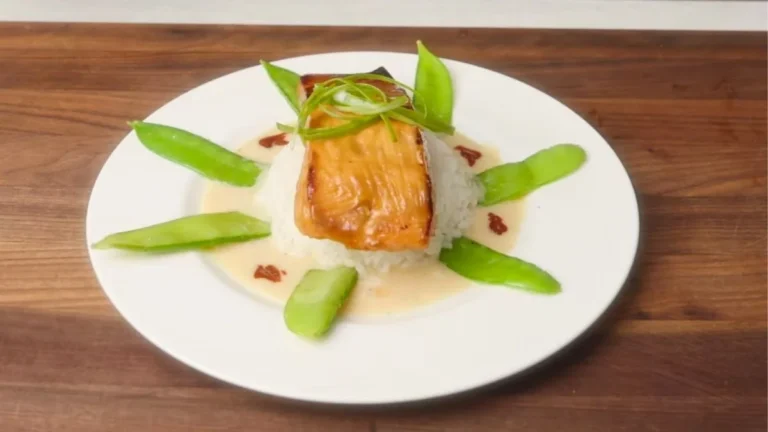

Craving that iconic Cheesecake Factory miso salmon but don’t want to wait for a table? This copycat Cheesecake Factory miso salmon recipe brings the restaurant’s beloved dish straight to your kitchen-with improvements that make it even better.
The combination of sweet-savory miso glaze, luscious cream sauce, and perfectly broiled salmon creates an unforgettable dining experience.
Whether you’re a seafood enthusiast or simply looking to recreate your favorite restaurant meal, this recipe for Cheesecake Factory miso salmon delivers all the umami-rich flavors with step-by-step guidance that guarantees success every time.
What Does Cheesecake Factory Miso Salmon Taste Like?
This miso glazed salmon offers a beautiful harmony of flavors that dance across your palate. The miso marinade creates a sweet-savory umami bomb with caramelized edges that provide delightful textural contrast against the tender, flaky salmon.
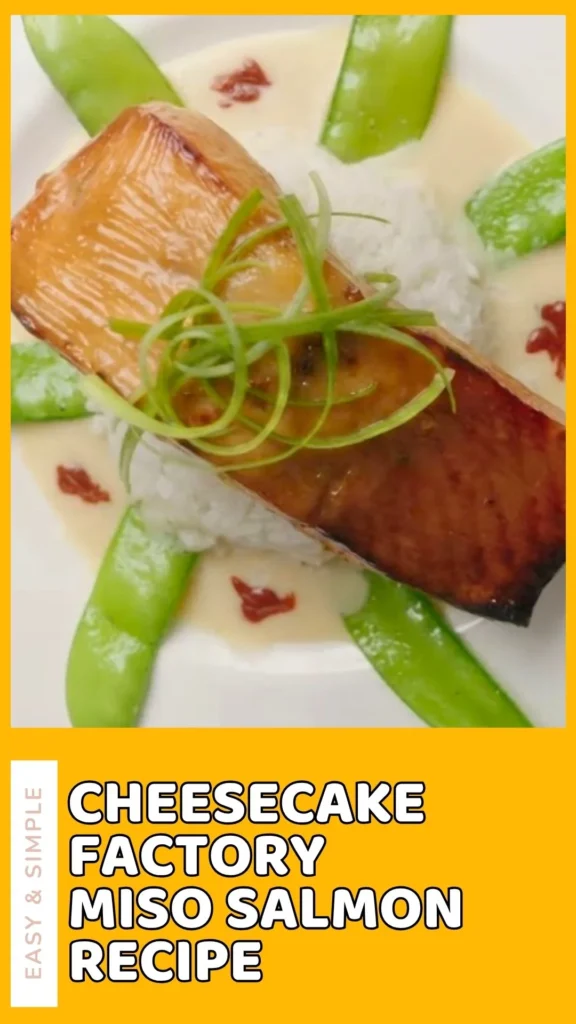
The creamy miso sauce adds luxurious richness with subtle tang from Parmesan and lime zest, while the honey brings natural sweetness that balances the fermented depth of white miso paste.
Each bite delivers buttery salmon complemented by crisp-tender snow peas and the optional kick of Sriracha that cuts through the richness perfectly.
Ingredients and Kitchen Utensils
For the Miso Marinade/Glaze:
- ⅓–½ cup white miso paste
- ¼ cup honey
- ¼ cup sake (or mirin for sweeter profile)
- 2–3 Tbsp coconut aminos (or soy sauce)
- Splash of rice vinegar or lime juice (optional, for brightness)
For the Salmon:
- 1–1½ lb salmon fillet (skin removed)
- Cut into 4–6 oz portions
The Miso Cream Sauce:
- ¼ cup sake
- 2–3 Tbsp white miso paste
- 2 Tbsp honey
- ¾–1 cup heavy cream
- ¼–⅓ cup grated Parmesan cheese
- Zest of 1 lime (plus juice if desired)
- 2–3 Tbsp butter
- Salt and pepper to taste
For Snow Peas & Garnish:
- 8–12 oz snow peas (ends trimmed, strings removed)
- Salt for blanching water
- Olive oil, salt, pepper, garlic powder
- Cooked white rice (for serving)
- Sriracha (for drizzling)
- Sliced scallions (for garnish)
Essential Kitchen Utensils:
- Small saucepans (2)
- Whisk
- Baking sheet
- Aluminum foil or parchment paper
- Meat thermometer
- Large pot for blanching
- Bowl with ice water
- Skillet for searing
- Zip-top bag or shallow dish for marinating
- Pastry brush
Preparation and Cooking Time
Prep Time: 15 minutes
Marinating Time: 1 hour minimum (1–2 days ideal)
Cook Time: 20 minutes
Total Time: 35 minutes (plus marinating)
Servings: 2–4 people
Recipe Instructions
Step 1: Make the Miso Marinade/Glaze
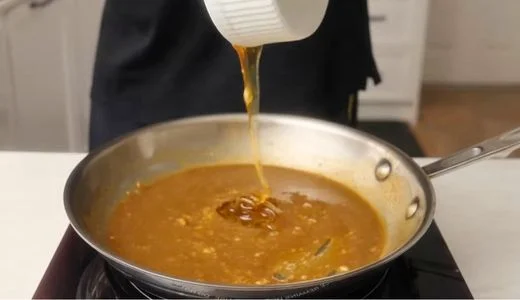
In a small saucepan, combine honey, white miso paste, sake, and coconut aminos. Warm the mixture over medium heat, whisking continuously until the miso dissolves completely and the marinade becomes smooth and slightly reduced, about 3–5 minutes. Remove from heat and let cool to room temperature.
Step 2: Marinate the Salmon
Place your skinless salmon fillets in a shallow dish or zip-top bag. Pour the cooled marinade over the salmon, ensuring each piece is well coated on all sides. Seal or cover tightly and refrigerate for at least 1 hour, though marinating for 1–2 days will intensify the umami flavor significantly.
Step 3: Broil the Salmon
Preheat your broiler to high heat. Line a baking sheet with foil or parchment paper and lightly brush with oil to prevent sticking. Remove salmon from the marinade, reserving all the liquid for later use. Place the fillets on the prepared baking sheet and broil for 4–7 minutes until the internal temperature reaches 140°F (60°C). The top should develop a beautiful caramelized crust with slightly crispy edges.
Step 4: Create the Glaze
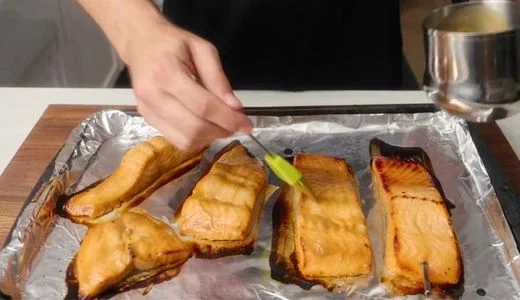
Pour the reserved marinade into a small saucepan and bring to a rolling boil for at least 1–2 minutes to ensure food safety. Continue simmering until the mixture reduces and becomes thick and glossy. Using a pastry brush, generously coat the broiled salmon with this intensified glaze.
Step 5: Prepare the Miso Cream Sauce
In a clean saucepan over medium heat, combine sake and miso paste, whisking until fully dissolved. Stir in honey and heavy cream, then simmer gently until the sauce thickens slightly, about 3–4 minutes. Add grated Parmesan cheese and lime zest, stirring until the cheese melts completely. Season with salt and pepper to taste, then finish by whisking in cold butter for luxurious richness and glossy shine. Keep warm over low heat.
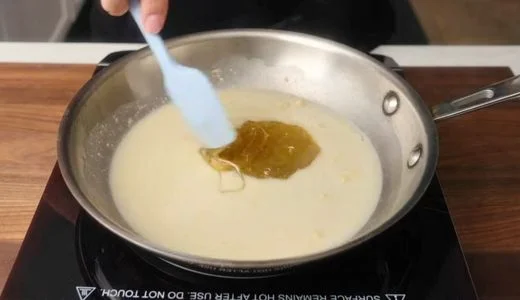
Step 6: Blanch and Sear Snow Peas
Bring a large pot of generously salted water to a rolling boil. Trim the ends and remove any strings from the snow peas. Blanch them for exactly 60 seconds to preserve their vibrant color and crisp texture. Immediately drain and plunge into ice water to stop the cooking process. Pat completely dry, then heat a skillet over medium-high heat with olive oil. Sear the snow peas for 1–2 minutes with salt, pepper, and garlic powder until they’re bright green with slight blistering.
Step 7: Plate Your Masterpiece
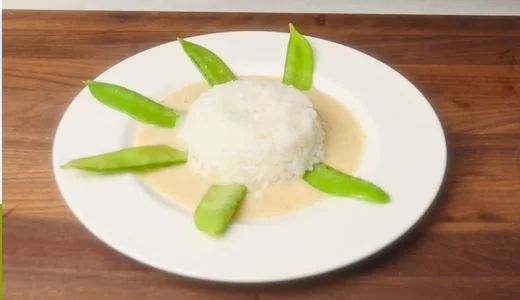
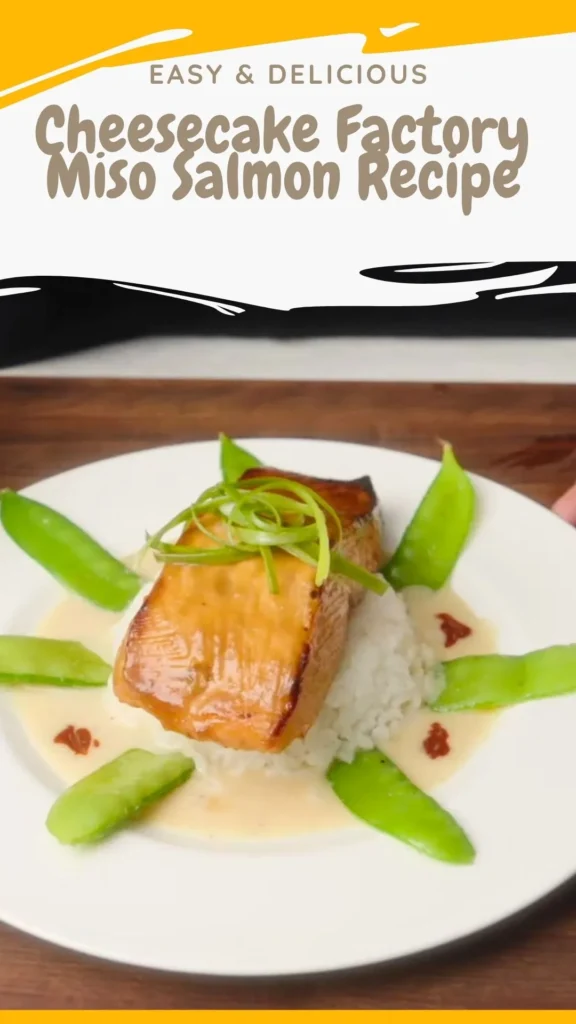
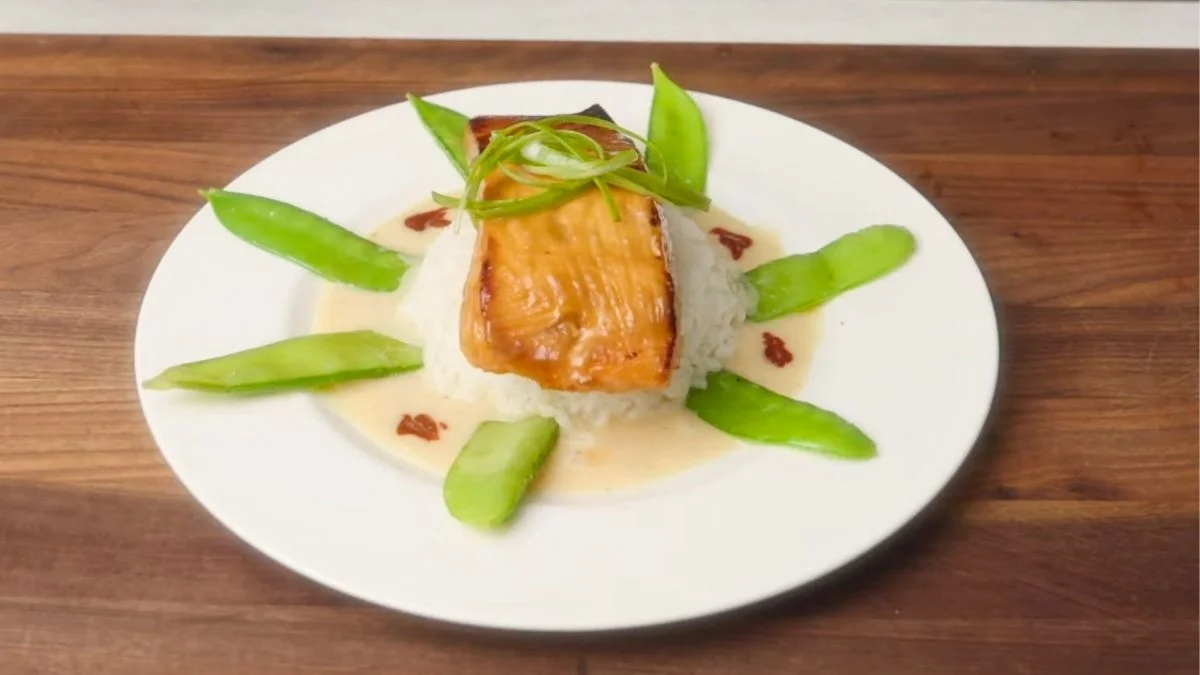
Spoon a generous pool of miso cream sauce onto each plate as the flavorful base. Add a mound of fluffy white rice in the center. Arrange the seared snow peas artfully around or alongside the rice. Drizzle Sriracha in a decorative pattern if you enjoy heat. Place the glazed salmon fillet on top of everything, then garnish with sliced scallions and additional lime zest for a pop of color and fresh aroma.
Customization and Pairing Ideas for Serving
1. Vegetable Variations Beyond Snow Peas
While snow peas provide the classic Cheesecake Factory presentation, you can substitute or add other Asian-inspired vegetables. Try blistered shishito peppers, sautéed bok choy, roasted asparagus with sesame seeds, or stir-fried snap peas with ginger. Shiitake mushrooms sautéed in butter and garlic add earthy depth that complements the miso beautifully.
2. Alternative Grain Bases
White rice is traditional, but experimenting with different grains can add nutritional value and textural interest. Coconut jasmine rice enhances the tropical notes, while brown rice adds nuttiness and fiber. Quinoa creates a protein-packed alternative, and cauliflower rice works perfectly for low-carb or keto adaptations of this miso salmon recipe.
3. Spice Level Adjustments
Control the heat to match your preferences. For milder palates, skip the Sriracha and add a drizzle of sweet chili sauce instead. Heat lovers can incorporate gochujang into the marinade, add fresh sliced jalapeños to the cream sauce, or finish with chili crisp oil. A wasabi cream variation adds pungent heat that pairs exceptionally with the sweet miso glaze.
4. Protein Substitutions
This versatile marinade and sauce work wonderfully with other proteins. Try it with thick-cut cod, halibut, or sea bass for different fish options. Chicken thighs marinated and broiled using the same method create an affordable alternative. Even tofu or portobello mushrooms can be glazed with the miso marinade for vegetarian versions that maintain the dish’s signature flavors.
5. More Copycat Favorites to Explore
If you enjoyed making this Cheesecake Factory Miso Salmon Recipe, you may also love trying other restaurant-style dishes from our collection. The savory El Pollo Loco Chicken Marinade Recipe is perfect for creating flavorful grilled chicken at home, while Texas Roadhouse Buttered Corn Recipe makes a sweet and comforting side. For creamy pasta nights, our Cheesecake Factory Alfredo Sauce Recipe is another reader favorite.
6. Make It a Complete Cheesecake Factory Experience
Recreate the full restaurant experience by starting with edamame sprinkled with sea salt, miso soup, or Asian chicken lettuce wraps as appetizers. Add a seaweed salad or cucumber sunomono on the side. Finish with green tea ice cream or mochi for dessert. This transforms your copycat Cheesecake Factory miso salmon into a complete Japanese-fusion dinner party.
7. Seasonal and Regional Twists
Adapt this recipe to seasonal ingredients and regional preferences. In summer, add fresh mango salsa for tropical brightness. Fall calls for roasted kabocha squash as a side. Winter versions benefit from adding miso-glazed Brussels sprouts. Regional adaptations might include Cajun-spiced miso salmon with dirty rice, or a Mediterranean fusion using the miso glaze on salmon served with couscous and roasted vegetables.
Expert Tips for Perfect Miso Salmon
1. Choose the Right Miso Paste
White miso (shiro miso) is essential for achieving the authentic Cheesecake Factory miso salmon flavor profile. It’s sweeter, milder, and less salty than red or darker miso varieties. White miso creates that signature golden glaze color and delicate fermented taste without overwhelming the salmon. Avoid substituting with red miso, which can turn bitter when caramelized under high heat and produces a much saltier result.
2. Marinating Time Makes the Difference
While you can marinate for just one hour in a pinch, the flavor transformation that occurs over 24–48 hours is remarkable. The enzymes in miso paste actually begin to tenderize the salmon while the umami compounds penetrate deeply into the fish. For meal prep efficiency, marinate your salmon portions on Sunday for incredible Wednesday or Thursday dinners. The extended marination creates restaurant-quality depth that distinguishes this recipe for Cheesecake Factory miso salmon from quick versions.
3. Monitor Broiler Temperature Carefully
Broilers vary dramatically between ovens, so watch your salmon closely during cooking. Position the rack 6–8 inches from the heating element-too close causes burning before the interior cooks through. Use a reliable meat thermometer and remove the salmon at 140°F internal temperature; carryover cooking will bring it to perfect doneness. The goal is caramelized glaze with moist, barely-opaque center that flakes easily.
4. Don’t Skip Boiling the Reserved Marinade
Food safety is crucial when reusing marinade that touched raw fish. Bringing it to a full rolling boil for at least 1–2 minutes kills any harmful bacteria while simultaneously concentrating the flavors through reduction. This step transforms the thin marinade into a thick, glossy glaze that clings beautifully to the salmon. If you’re nervous about food safety, simply make extra marinade from the start and set aside a portion before it touches raw fish.
5. Balance the Cream Sauce Richness
The miso cream sauce should taste luxurious but not heavy. If it becomes too thick, thin with additional sake or a splash of fish stock. Too thin? Simmer longer or add a small slurry of cornstarch and water. The lime zest is crucial-it provides brightness that cuts through the cream and prevents the sauce from tasting flat. Taste and adjust seasoning carefully, as both miso and Parmesan contribute significant saltiness.
6. Master the Snow Pea Technique
Perfectly cooked snow peas should be vibrant green, crisp-tender, and slightly blistered-never soggy or drab olive-colored. The blanch-and-shock method preserves color and texture while the quick sear adds smoky char flavor. Completely dry the snow peas before searing or they’ll steam instead of developing those desirable brown spots. This two-step process creates restaurant-quality vegetables that remain crisp even under the warm salmon.
7. Presentation Creates the Experience
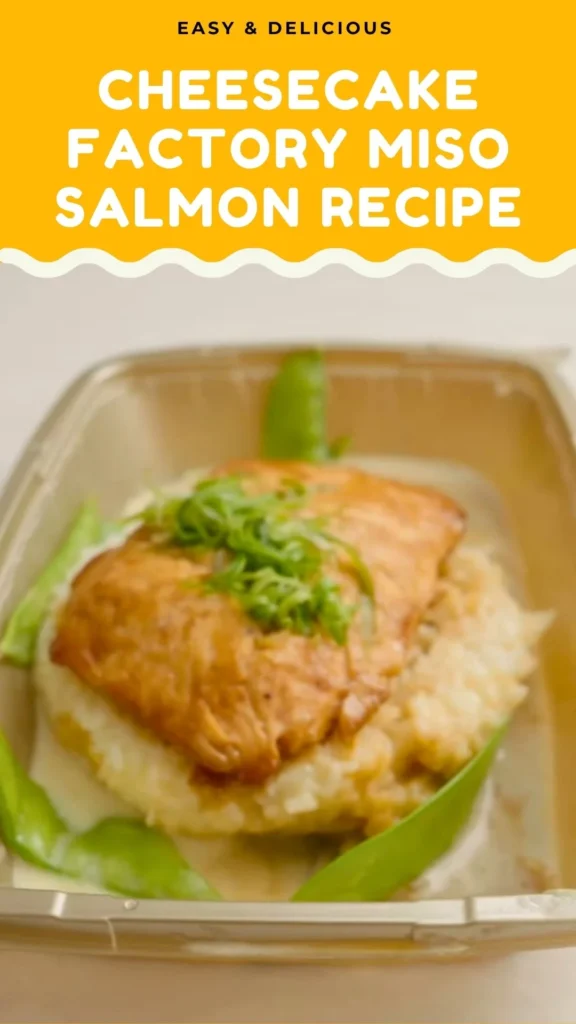
The visual appeal of the Cheesecake Factory miso salmon is part of its magic. Create height by mounding rice in the center, then lean the salmon against it at an angle. The cream sauce pool beneath makes everything appear to float elegantly. Garnish strategically-scallion curls add architectural interest, while lime zest provides color contrast. A light drizzle (not drowning) of Sriracha creates eye-catching patterns. Remember, we eat first with our eyes, and thoughtful plating elevates a home-cooked meal to restaurant-caliber dining.
Storage and Reheating Guidance
Store leftover salmon separately from rice and vegetables in an airtight container for up to 3 days refrigerated. Reheat gently in a 275°F oven for 8–10 minutes to prevent drying out, or microwave at 50% power in 30-second intervals. The cream sauce can be refrigerated for 4 days and gently rewarmed on the stovetop with a splash of cream to restore consistency.
Common Queries and FAQs
Here, we’ve got you covered with some common questions that people often ask
Can I use frozen salmon for this recipe?
Yes, frozen salmon works perfectly for this Cheesecake Factory miso salmon copycat recipe. Thaw it completely in the refrigerator overnight, then pat very dry with paper towels before marinating. Excess moisture prevents the glaze from adhering properly and can dilute the marinade flavors.
What if I can’t find sake or mirin?
Dry white wine or dry vermouth make acceptable substitutes for sake in both the marinade and cream sauce. For mirin substitutions, mix 3 tablespoons white wine with 1 tablespoon sugar. The flavor profile will be slightly different but still delicious.
Can I make this recipe without heavy cream?
For a lighter version, substitute half-and-half or whole milk, though the sauce will be thinner and less luxurious. Coconut cream provides a dairy-free alternative that maintains richness while adding subtle tropical notes. You’ll need to reduce it longer to achieve proper thickness.
How do I know when the salmon is perfectly cooked?
Insert an instant-read thermometer into the thickest part of the fillet-it should read 140°F for moist, tender salmon. Visually, the flesh should be opaque and separate easily into flakes when gently pressed with a fork, but still appear slightly translucent in the very center.
Can I grill the salmon instead of broiling?
Absolutely! Preheat your grill to medium-high heat and oil the grates well. Grill the marinated salmon for 4–5 minutes per side, brushing with the reduced glaze during the last 2 minutes. The grill adds wonderful smoky char that complements the sweet miso beautifully.
Is this recipe gluten-free?
It can be! Use tamari instead of soy sauce (or verify your coconut aminos are certified gluten-free), and ensure your miso paste is gluten-free (most are, but check labels as some contain barley). The rest of the ingredients are naturally gluten-free.
Can I prepare components ahead for easier weeknight cooking?
The marinade can be made 5 days ahead and refrigerated. The cream sauce holds well for 3 days and reheats beautifully. Marinate your salmon 1–2 days in advance, then final cooking takes just 15 minutes. This makes the miso salmon recipe perfect for meal prep.
Cheesecake Factory Miso Salmon Recipe
Ingredients
Equipment
Method
- In a small saucepan, combine honey, white miso paste, sake, and coconut aminos. Warm the mixture over medium heat, whisking continuously until the miso dissolves completely and the marinade becomes smooth and slightly reduced, about 3–5 minutes. Remove from heat and let cool to room temperature.
- Place your skinless salmon fillets in a shallow dish or zip-top bag. Pour the cooled marinade over the salmon, ensuring each piece is well coated on all sides. Seal or cover tightly and refrigerate for at least 1 hour, though marinating for 1–2 days will intensify the umami flavor significantly.
- Preheat your broiler to high heat. Line a baking sheet with foil or parchment paper and lightly brush with oil to prevent sticking. Remove salmon from the marinade, reserving all the liquid for later use. Place the fillets on the prepared baking sheet and broil for 4–7 minutes until the internal temperature reaches 140°F (60°C). The top should develop a beautiful caramelized crust with slightly crispy edges.
- Pour the reserved marinade into a small saucepan and bring to a rolling boil for at least 1–2 minutes to ensure food safety. Continue simmering until the mixture reduces and becomes thick and glossy. Using a pastry brush, generously coat the broiled salmon with this intensified glaze.
- In a clean saucepan over medium heat, combine sake and miso paste, whisking until fully dissolved. Stir in honey and heavy cream, then simmer gently until the sauce thickens slightly, about 3–4 minutes. Add grated Parmesan cheese and lime zest, stirring until the cheese melts completely. Season with salt and pepper to taste, then finish by whisking in cold butter for luxurious richness and glossy shine. Keep warm over low heat.
- Bring a large pot of generously salted water to a rolling boil. Trim the ends and remove any strings from the snow peas. Blanch them for exactly 60 seconds to preserve their vibrant color and crisp texture. Immediately drain and plunge into ice water to stop the cooking process. Pat completely dry, then heat a skillet over medium-high heat with olive oil. Sear the snow peas for 1–2 minutes with salt, pepper, and garlic powder until they’re bright green with slight blistering.
- Spoon a generous pool of miso cream sauce onto each plate as the flavorful base. Add a mound of fluffy white rice in the center. Arrange the seared snow peas artfully around or alongside the rice. Drizzle Sriracha in a decorative pattern if you enjoy heat. Place the glazed salmon fillet on top of everything, then garnish with sliced scallions and additional lime zest for a pop of color and fresh aroma.
Video
Notes
This Cheesecake Factory miso salmon recipe proves that restaurant favorites can be recreated at home with even better results. The combination of umami-rich miso glaze, decadent cream sauce, and perfectly cooked salmon creates an impressive dish that’s surprisingly achievable for home cooks.
Whether you’re hosting a dinner party or treating yourself to a special weeknight meal, this copycat Cheesecake Factory miso salmon delivers all the flavors you crave. With proper marinating time and attention to technique, you’ll create a memorable meal that rivals-or surpasses-the original.
We’d love to hear how this recipe turns out for you! Give it a try, then drop a comment below to share your thoughts and tips with us. Also, follow along on Pinterest and Youtube for more tasty updates. Your support and thoughts mean the world!