
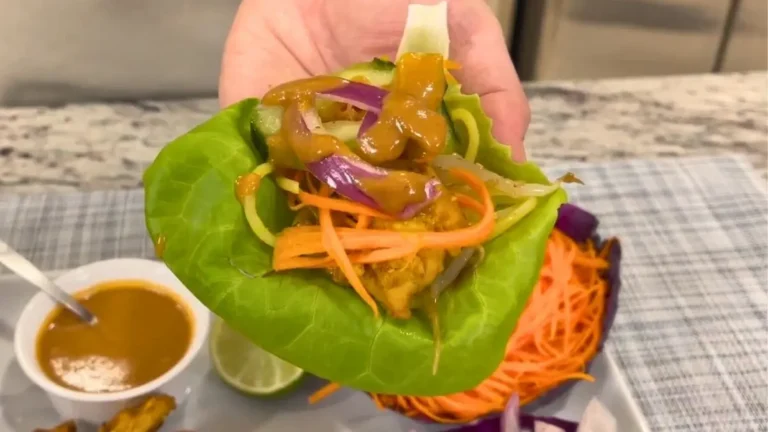

Craving the iconic Cheesecake Factory Thai lettuce wraps but want to recreate them at home? This copycat Cheesecake Factory Thai lettuce wraps recipe brings the restaurant’s most beloved appetizer straight to your kitchen.
These interactive wraps feature tender grilled chicken, coconut curry rice noodles, crisp vegetables, and addictive peanut dipping sauce-all nestled in fresh butter lettuce cups.
Whether you’re hosting a dinner party or seeking a lighter meal option, learning how to make Cheesecake Factory Thai lettuce wraps delivers restaurant-quality results with customizable flavors.
This fresh, vibrant dish combines Thai-inspired elements into healthy, hand-held portions that rivals the original.
What Does It Taste Like?
The Cheesecake Factory Thai lettuce wraps ingredients create a harmonious flavor symphony that’s refreshingly complex. Each bite delivers the aromatic warmth of coconut curry mingling with zesty lime-marinated chicken, balanced by the nutty richness of peanut sauce.

The pickled cucumber-red onion salad adds bright acidity that cuts through the creamy elements, while seasoned bean sprouts contribute a subtle umami depth with toasted sesame notes. Crunchy carrots provide natural sweetness, and the cool, crisp butter lettuce acts as the perfect neutral vessel.
The overall experience is fresh, light yet satisfying, with layers of sweet, savory, tangy, and slightly spicy flavors creating an addictive combination that’s distinctly Thai-inspired with accessible appeal.
Ingredients and Kitchen Utensils
For Marinated Grilled Chicken
- 1-1.5 lbs boneless chicken breasts, butterflied and cut into strips
- 2-3 tbsp minced garlic
- 1-2 tbsp grated fresh ginger
- 1-2 tsp red pepper flakes
- Juice of 2-3 limes
- 2 tbsp water
- Optional: pinch of turmeric for color
Thai Coconut Curry Noodles
- 1 package Vietnamese rice noodles (or thin rice vermicelli)
- 1 can (13-14 oz) coconut milk, divided
- 2-3 tbsp Thai red curry paste
- ½-1 cup chicken broth
- 1-2 tsp minced garlic
- 1-2 tsp yellow curry powder
- Pinch of turmeric
- 1-2 tbsp fish sauce
- Juice of 1-2 limes
For Seasoned Bean Sprouts
- 2-3 cups fresh bean sprouts
- 1-2 tbsp soy sauce
- 1 tsp sesame oil
- 1-2 tsp sesame seeds
For Pickled Cucumber-Red Onion Salad
- 1-2 cucumbers, partially peeled and julienned
- ½ red onion, thinly sliced
- ½ cup water
- ¼-½ cup sugar
- ¼-½ cup rice vinegar
- Pinch of salt
- Black pepper to taste
Kitchen Utensils Needed
- Grill pan or outdoor grill
- Large pot for cooking noodles
- Medium saucepan for pickling liquid
- Mixing bowls (various sizes)
- Whisk
- Sharp knife and cutting board
- Julienne peeler or mandoline
- Tongs
- Measuring cups and spoons
- Serving platter
Preparation and Cooking Time
Prep Time: 30 minutes
Marinating Time: 45 minutes to 2 hours
Cook Time: 25 minutes
Total Time: 1 hour 40 minutes to 2 hours 55 minutes
Servings: 4-6 as an appetizer (generous portions)
Difficulty Level: Intermediate
Cheesecake Factory Thai Lettuce Wraps Recipe Instructions
Step 1: Marinate the Chicken
In a bowl, combine minced garlic, grated ginger, red pepper flakes, lime juice, and water. Add chicken strips, ensuring complete submersion. Cover and refrigerate for at least 45 minutes, ideally 2 hours for maximum flavor penetration.

Step 2: Prepare the Coconut Curry Noodles
Bring a large pot of water to boil. Add Vietnamese rice noodles and cook for 5 minutes. Turn off heat and let soak another 5 minutes. Drain and rinse under cold water thoroughly. In a separate pot, heat most of the coconut milk (reserve ¼ cup) over medium heat. Stir in Thai red curry paste until dissolved. Add chicken broth, garlic, yellow curry powder, turmeric, fish sauce, and lime juice. Simmer for 2 minutes. Add drained noodles and cook for 2 minutes, allowing them to absorb the curry flavors. Transfer to a bowl, discarding excess liquid. Mix in reserved coconut milk for creaminess. Cool to room temperature and refrigerate.

Step 3: Make the Seasoned Bean Sprouts
Bring water to a rapid boil. Add bean sprouts and blanch for just 10-20 seconds. Immediately drain and rinse under cold water to halt cooking and preserve crunch. Toss with soy sauce, sesame oil, and sesame seeds. Refrigerate until serving.
Step 4: Create the Pickled Cucumber-Red Onion Salad
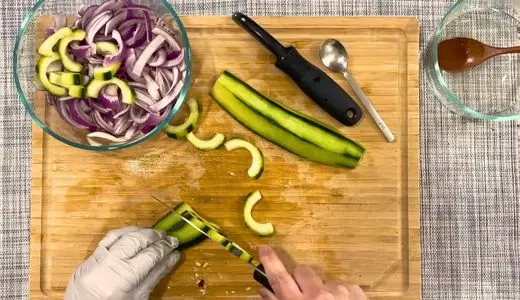
In a small saucepan, heat water and sugar over medium heat, stirring until sugar dissolves completely. Add rice vinegar and salt, stirring until incorporated. Remove from heat and cool slightly. Place julienned cucumber and sliced red onion in a bowl. Pour pickling liquid over vegetables, add black pepper, and toss well. Refrigerate for at least 30-60 minutes to develop flavors.
Step 5: Grill the Chicken
Preheat grill pan over medium-high heat and brush with oil. Remove chicken from marinade and grill strips for 3-4 minutes per side until cooked through with nice char marks. Optional: sprinkle turmeric during the last minute for enhanced golden color. Let rest, then serve at room temperature.

Step 6: Prepare the Thai Peanut Sauce
In a bowl, whisk together garlic powder, hoisin sauce, and honey until combined. Add sesame oil and peanut butter, whisking vigorously until smooth and pourable. Add water by the tablespoon if too thick. Taste and adjust seasoning with salt if needed.
Step 7: Julienne Carrots and Prepare Lettuce
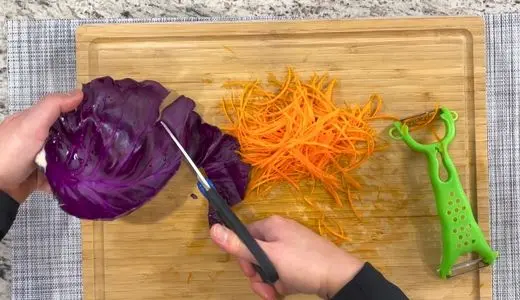
Use a julienne peeler or mandoline to create thin carrot strips. Separate butter lettuce leaves carefully, wash, and pat completely dry. Optional: cut red cabbage into small bowl shapes for an impressive presentation.
Step 8: Assemble and Serve
On a large platter, arrange red cabbage bowls (if using) filled with coconut curry noodles, seasoned bean sprouts, pickled cucumber salad, and julienned carrots. Place grilled chicken strips in the center. Arrange butter lettuce leaves around the platter. Serve peanut sauce in small bowls on the side with lime wedges. To eat, fill a lettuce leaf with desired fillings, drizzle with peanut sauce, wrap, and enjoy.

Customization and Pairing for Serving Ideas
1. Protein Variations for Dietary Preferences
Transform these Cheesecake Factory Thai lettuce wraps vegan by substituting grilled chicken with crispy tofu, tempeh, or marinated portobello mushrooms. For pescatarian versions, use grilled shrimp or seared tuna. Ground turkey or pork also works beautifully with the coconut curry noodles, offering different texture profiles while maintaining the dish’s essential character.
2. Noodle and Grain Alternatives
While traditional Vietnamese rice noodles deliver authentic texture, you can substitute with glass noodles (mung bean vermicelli) for extra translucency, kelp noodles for low-carb options, or even cauliflower rice for keto-friendly adaptations. Quinoa provides a protein-rich alternative that absorbs the coconut curry sauce wonderfully while adding nutritional density.
3. Heat Level Adjustments
Control spiciness by adjusting red pepper flakes in the chicken marinade and Thai red curry paste quantity. For mild versions perfect for children, reduce both by half. For heat enthusiasts, add sriracha to the peanut dipping sauce, incorporate fresh Thai chilies into the pickled salad, or drizzle chili oil over the assembled wraps.
4. Lettuce Wrap Alternatives
Beyond butter lettuce, experiment with romaine hearts for extra crunch, napa cabbage leaves for a sweeter profile, or collard green wraps for a sturdier vessel. Rice paper wrappers create Vietnamese spring roll-style presentations, while endive leaves offer elegant, boat-shaped options for upscale entertaining.
5. Sauce Creativity and Flavor Profiles
While peanut sauce is traditional, almond butter or sunflower seed butter accommodate nut allergies. Create an Asian-inspired trio by offering the peanut sauce alongside sweet chili sauce and a ginger-scallion dipping option. A lime-cilantro crema adds fusion flair, while traditional fish sauce with lime and chilies provides authentic Thai dipping.
6. Complete Meal Pairing Suggestions
Serve these copycat Cheesecake Factory Thai lettuce wraps alongside Tom Yum soup for a complete Thai-inspired menu. Spring rolls, edamame, or Asian cucumber salad complement without overwhelming. For beverages, pair with Thai iced tea, lemongrass ginger tea, light lagers, crisp Riesling, or sparkling water with lime to cleanse the palate between bites.
7. Presentation Enhancements for Entertaining
Elevate visual appeal using the red cabbage bowl technique for individual component presentation. Garnish with fresh cilantro, mint leaves, crushed peanuts, and lime wedges. Create a DIY lettuce wrap bar where guests assemble their own, controlling portions and combinations. Use bamboo steamers or slate boards for restaurant-quality plating that photographs beautifully for social sharing.

Tips for Perfect Thai Lettuce Wraps
1. Marinade Timing Maximizes Flavor
The difference between good and exceptional grilled chicken lies in marinade duration. While 45 minutes suffices, extending to 2-4 hours allows the garlic, ginger, and lime to penetrate deeply, tenderizing the meat while building complex flavor layers. For ultimate convenience when learning how to make Cheesecake Factory Thai lettuce wraps, marinate overnight-the chicken becomes incredibly tender and flavorful without any additional effort.
2. Temperature Control is Essential
Serving all components at room temperature isn’t just preference-it’s crucial for flavor expression. Cold numbs taste receptors and mutes the aromatic curry, nutty sesame, and bright citrus notes. Remove refrigerated components 20-30 minutes before serving. The contrast between cool, crisp lettuce and room-temperature fillings creates the ideal textural and temperature experience that makes each wrap refreshing yet satisfying.
3. Noodle Texture Requires Precision
Overcooked rice noodles become mushy and clump together, ruining the dish’s delicate balance. Follow the boil-then-soak method precisely, testing at 4 minutes for al dente texture. The cold water rinse stops cooking immediately and removes excess starch that causes clumping. When reheating from refrigeration, bring to room temperature naturally rather than microwaving, which creates uneven texture and can make noodles gummy.
4. Pickle Time Develops Complexity
Rush the cucumber-red onion salad and you’ll miss the magic. The pickling process needs minimum 30 minutes, but 2-4 hours transforms sharp raw onion into mellow sweetness while cucumber releases moisture that dilutes and balances the brine. The vegetables should taste bright and tangy but not aggressively acidic. This component provides the crucial acidic counterpoint that prevents the rich coconut curry and peanut sauce from becoming heavy.
5. Peanut Sauce Consistency Matters
The Cheesecake Factory Thai lettuce wraps ingredients for the sauce should create a pourable but not watery consistency-think melted ice cream texture. Too thick and it won’t distribute evenly or drizzle attractively; too thin and it runs off the fillings. Adjust with water one teaspoon at a time. Making sauce ahead allows flavors to meld, but you may need to re-whisk and thin slightly before serving as peanut butter thickens when cold.
6. Vegetable Prep Ensures Crunch
Julienning carrots and cucumbers to uniform thinness isn’t just aesthetic-it ensures even distribution in wraps and consistent texture. Hand-cutting produces uneven pieces that dominate some bites while disappearing in others. Invest in a quality julienne peeler or mandoline for restaurant-quality results. Blanching bean sprouts exactly 10-20 seconds removes raw taste while maintaining crunch; beyond 30 seconds produces limp, unappetizing sprouts.
7. Assembly Strategy Prevents Soggy Wraps
When creating your copycat Cheesecake Factory Thai lettuce wraps, layer strategically for structural integrity. Place sturdier items like chicken and noodles at the bottom, followed by vegetables, with sauce drizzled just before eating. Pat lettuce leaves completely dry-water dilutes flavors and creates slippery surfaces. For entertaining, prep all components separately and let guests assemble their own, ensuring each wrap is fresh, crisp, and customized to preference. Pre-assembled wraps become soggy within 15 minutes.

Storage and Reheating Guidance
Store each component separately in airtight containers-chicken, noodles, bean sprouts, pickled salad, and carrots keep refrigerated for 3-4 days. Peanut sauce lasts up to one week. Keep lettuce leaves unwashed in a produce bag with paper towel for 2-3 days. Bring all components to room temperature before serving for optimal flavor. Chicken can be gently rewarmed if preferred, but noodles and vegetables taste best at room temperature.
Common Queries and FAQs
Here, we’ve got you covered with some common questions that people often ask.
Can I make Cheesecake Factory Thai lettuce wraps ahead of time?
Yes, this recipe is ideal for meal prep. Prepare all components up to 2 days in advance and store separately. The pickled salad actually improves with time. Only assemble the wraps immediately before eating to prevent sogginess. Remove components from refrigeration 30 minutes before serving.
What makes this a copycat Cheesecake Factory Thai lettuce wraps recipe?
This version replicates the restaurant’s signature components: lime-garlic grilled chicken, coconut curry rice noodles, seasoned bean sprouts, pickled vegetables, and Thai peanut sauce served with butter lettuce. The interactive, customizable presentation and room-temperature serving style match the original experience.
Are Cheesecake Factory Thai lettuce wraps healthy?
Yes, these wraps offer balanced nutrition with lean protein, vegetables, and complex carbohydrates. They’re relatively low in calories compared to other appetizers, naturally gluten-free (verify soy sauce and curry paste labels), and packed with fresh vegetables. Control calories by adjusting noodle portions and peanut sauce quantity.
Can I substitute ingredients if I have allergies?
Absolutely. For peanut allergies, use almond butter, cashew butter, or sunflower seed butter in the sauce. Replace fish sauce with soy sauce or coconut aminos for vegetarian versions. Use tamari instead of soy sauce for gluten-free needs. The recipe accommodates numerous dietary restrictions while maintaining its essential character.
Why are my lettuce wraps falling apart?
Use larger butter lettuce leaves from the outer portions of the head-they’re sturdier. Pat leaves completely dry, as moisture makes them slippery. Don’t overfill; use about 2-3 tablespoons of filling total per wrap. Place sturdier items at the bottom and fold like a taco rather than a burrito for better structural integrity.
How do I achieve the restaurant’s presentation?
The key is component separation and visual appeal. Use red cabbage cut into bowl shapes to hold each filling type. Arrange everything on a large platter with grilled chicken as the centerpiece. Provide individual small bowls for peanut sauce. This “deconstructed” approach mirrors the restaurant’s impressive family-style presentation.
What’s the best lettuce for Thai lettuce wraps?
Butter lettuce (Boston or Bibb) is ideal for its tender texture, natural cup shape, and mild flavor that doesn’t compete with fillings. Iceberg lettuce works for extra crunch but lacks the delicate texture. Avoid romaine hearts unless you prefer a sturdier, crunchier wrapper with more assertive flavor.
Can I make the Cheesecake Factory Thai lettuce wraps vegan?
Yes, replace chicken with crispy tofu, tempeh, or mushrooms. Use vegetable broth instead of chicken broth. Substitute fish sauce with soy sauce or coconut aminos. Replace honey in the peanut sauce with maple syrup or agave nectar. All other components are naturally plant-based.
How spicy are these wraps?
As written, they’re mildly spicy with gentle warmth from red pepper flakes and curry paste. The heat level is easily adjustable-reduce or omit red pepper flakes for mild versions suitable for children, or double them plus add fresh chilies for authentic Thai heat levels.
Why serve at room temperature instead of hot?
Room temperature allows all flavors to shine-heat mutes subtle aromatics while cold numbs taste receptors. The temperature contrast between cool lettuce and room-temperature fillings creates textural interest. Additionally, room temperature prevents lettuce wilting that occurs with hot fillings, maintaining the fresh, crisp character essential to this dish.

Cheesecake Factory Thai Lettuce Wraps Recipe
Ingredients
Equipment
Method
- In a bowl, combine minced garlic, grated ginger, red pepper flakes, lime juice, and water. Add chicken strips, ensuring complete submersion. Cover and refrigerate for at least 45 minutes, ideally 2 hours for maximum flavor penetration.
- Bring a large pot of water to boil. Add Vietnamese rice noodles and cook for 5 minutes. Turn off heat and let soak another 5 minutes. Drain and rinse under cold water thoroughly. In a separate pot, heat most of the coconut milk (reserve ¼ cup) over medium heat. Stir in Thai red curry paste until dissolved. Add chicken broth, garlic, yellow curry powder, turmeric, fish sauce, and lime juice. Simmer for 2 minutes. Add drained noodles and cook for 2 minutes, allowing them to absorb the curry flavors. Transfer to a bowl, discarding excess liquid. Mix in reserved coconut milk for creaminess. Cool to room temperature and refrigerate.
- Bring water to a rapid boil. Add bean sprouts and blanch for just 10-20 seconds. Immediately drain and rinse under cold water to halt cooking and preserve crunch. Toss with soy sauce, sesame oil, and sesame seeds. Refrigerate until serving.
- In a small saucepan, heat water and sugar over medium heat, stirring until sugar dissolves completely. Add rice vinegar and salt, stirring until incorporated. Remove from heat and cool slightly. Place julienned cucumber and sliced red onion in a bowl. Pour pickling liquid over vegetables, add black pepper, and toss well. Refrigerate for at least 30-60 minutes to develop flavors.
- Preheat grill pan over medium-high heat and brush with oil. Remove chicken from marinade and grill strips for 3-4 minutes per side until cooked through with nice char marks. Optional: sprinkle turmeric during the last minute for enhanced golden color. Let rest, then serve at room temperature.
- In a bowl, whisk together garlic powder, hoisin sauce, and honey until combined. Add sesame oil and peanut butter, whisking vigorously until smooth and pourable. Add water by the tablespoon if too thick. Taste and adjust seasoning with salt if needed.
- Use a julienne peeler or mandoline to create thin carrot strips. Separate butter lettuce leaves carefully, wash, and pat completely dry. Optional: cut red cabbage into small bowl shapes for an impressive presentation.
- On a large platter, arrange red cabbage bowls (if using) filled with coconut curry noodles, seasoned bean sprouts, pickled cucumber salad, and julienned carrots. Place grilled chicken strips in the center. Arrange butter lettuce leaves around the platter. Serve peanut sauce in small bowls on the side with lime wedges. To eat, fill a lettuce leaf with desired fillings, drizzle with peanut sauce, wrap, and enjoy.
Video
Notes
This copycat Cheesecake Factory Thai lettuce wraps recipe delivers restaurant-quality results with the satisfaction of homemade cooking. By mastering the Cheesecake Factory Thai lettuce wraps ingredients and techniques-from perfectly grilled chicken to silky coconut curry noodles and that addictive peanut sauce-you’ve unlocked an impressive appetizer that’s healthy, customizable, and perfect for entertaining.
The interactive assembly makes every bite a personalized experience, while the fresh, vibrant flavors transport you straight to your favorite restaurant booth. Now that you know how to make Cheesecake Factory Thai lettuce wraps at home, you can enjoy this beloved dish anytime while controlling ingredients and portions to suit your preferences.
We’d love to hear how this recipe turns out for you! Give it a try, then drop a comment below to share your thoughts and tips with us. Also, follow along on Pinterest and Youtube for more tasty updates. Your support and thoughts mean the world!
looks delicious