
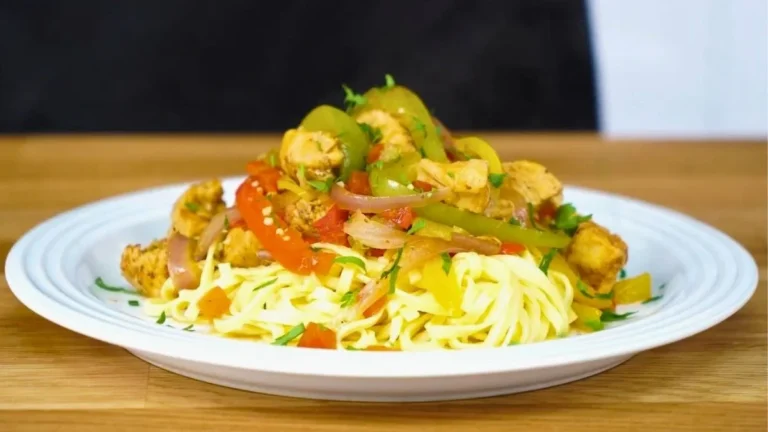

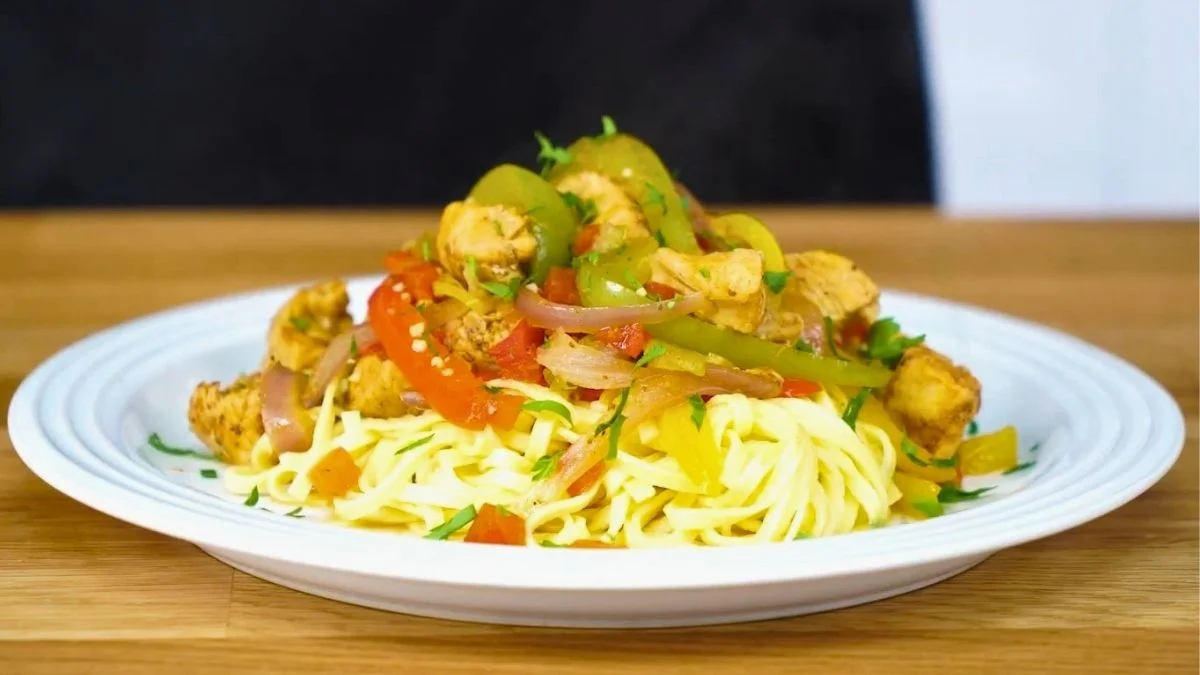
When you crave the bold, spicy flavors of Cheesecake Factory jambalaya pasta but don’t want to wait for a table, this copycat Cheesecake Factory jambalaya pasta brings that iconic restaurant dish straight to your kitchen.
This Louisiana-inspired fusion masterpiece combines tender chicken, succulent shrimp, and smoky andouille sausage with perfectly cooked pasta, all bathed in a vibrant Cajun-spiced tomato sauce. Unlike traditional jambalaya rice, the Cheesecake Factory jambalaya pasta transforms this Creole classic into a silky, satisfying pasta dish that’s become a menu favorite for good reason.
With colorful bell peppers, aromatic garlic, and just the right amount of heat, this Cheesecake Factory jambalaya pasta recipe delivers restaurant-quality results that’ll have your family thinking you’ve secretly trained in a professional kitchen.
What Does It Taste Like?
Cheesecake Factory jambalaya pasta is an explosion of bold, layered flavors that dance on your palate. The first bite delivers smoky, slightly spicy heat from the andouille sausage and Cajun seasoning, immediately followed by the sweetness of sautéed bell peppers and onions. Tender chicken and plump shrimp provide contrasting textures-one meaty and substantial, the other delicate and briny.
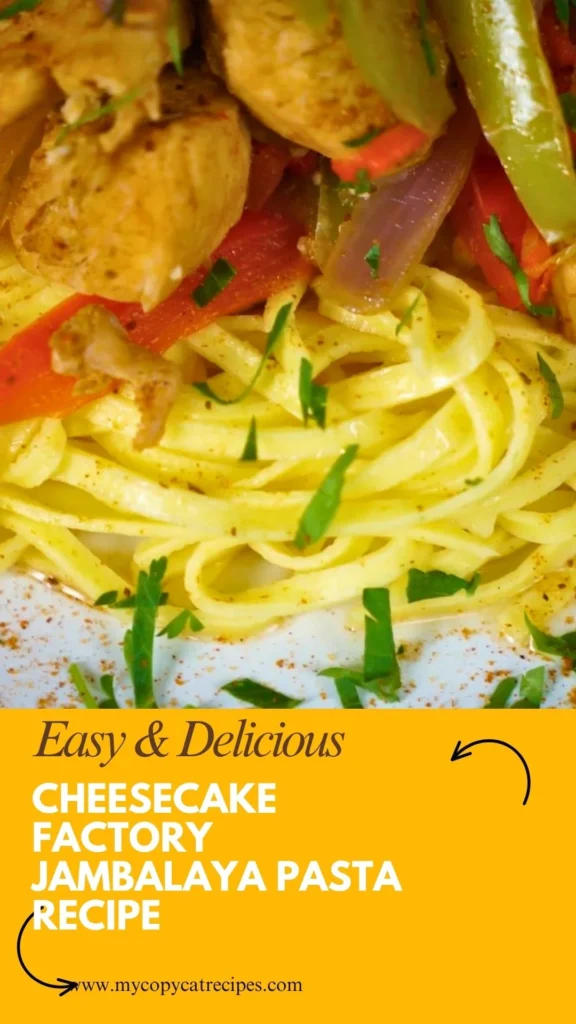
The tomato-based sauce carries hints of garlic and thyme, creating a savory foundation that coats each strand of linguine beautifully. If you opt for heavy cream, the sauce becomes luxuriously velvety, mellowing the spice just enough while maintaining that signature Cajun kick.
The finish is warm and satisfying, with subtle smokiness lingering pleasantly. It’s comfort food with attitude-familiar yet exciting, creamy yet bright, and perfectly balanced between indulgent and vibrant.Bold, spicy, and packed with Cajun flavor, this Cheesecake Factory Jambalaya Pasta Recipe is a true crowd-pleaser. Pair it with Flower Child Cauliflower Risotto or enhance the flavor with Ike’s Dirty Sauce for a satisfying meal.
Ingredients and Kitchen Utensils Lists
Ingredients
Proteins:
- ½ lb chicken breast, cut into bite-sized pieces
- ½ lb large shrimp, peeled and deveined
- ½ lb andouille sausage, sliced into ¼-inch rounds
Vegetables:
- 1 red bell pepper, sliced
- 1 green bell pepper, sliced
- 1 large red onion, sliced thin
- 3-4 garlic cloves, minced
Pasta and Base:
- 12 oz linguine or fettuccine
- 1 can (14 oz) diced tomatoes with juice
- 2 cups low-sodium chicken broth
- 2 tbsp tomato paste
Seasonings:
- 2-3 tbsp Cajun seasoning (adjust for spice preference)
- 1 tsp salt
- ½ tsp black pepper
- 1 tsp dried thyme (optional)
Other:
- ¼ cup olive oil or vegetable oil
- ½ cup heavy cream (optional, for creamier sauce)
- Chopped green onions or fresh parsley for garnish
- Grated Parmesan cheese (optional)
Kitchen Utensils
- Large pot for boiling pasta
- Large skillet or Dutch oven (12-inch minimum)
- Sharp knife
- Cutting board
- Large mixing bowl
- Wooden spoon or silicone spatula
- Tongs
- Measuring cups and spoons
- Colander
- Heatproof bowl or plate (for holding cooked proteins)
- Ladle
Preparation and Cooking Time with Serving
Prep Time: 15 minutes
Cook Time: 30 minutes
Total Time: 45 minutes
Servings: 4-6 people
Difficulty Level: Intermediate
Recipe Instructions with Steps
Step 1: Prep the Pasta
Fill a large pot with water, add 1-2 tablespoons of salt, and bring to a rolling boil over high heat. Once boiling, add 12 oz of linguine or fettuccine and cook for 8-9 minutes-about 1 minute less than the package directions for al dente. The pasta will finish cooking later when combined with the sauce, so slightly undercooking now prevents mushiness in your final Cheesecake Factory jambalaya pasta. Before draining, use a ladle or measuring cup to reserve 1 cup of the starchy pasta water-this liquid gold will help create a silky sauce later. Drain the pasta in a colander and set aside.
Step 2: Season Proteins and Vegetables
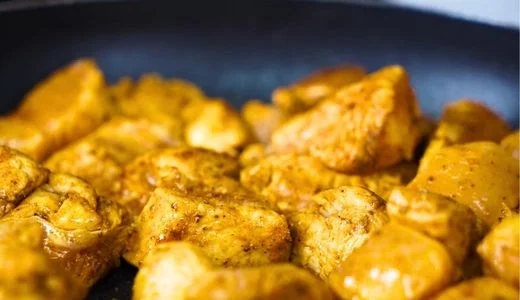
In a large mixing bowl, combine your cut chicken breast pieces, peeled and deveined shrimp, sliced andouille sausage rounds, sliced red and green bell peppers, thinly sliced red onion, and minced garlic. Sprinkle 2-3 tablespoons of Cajun seasoning over everything (start with 2 if you’re sensitive to heat), along with 1 teaspoon salt and ½ teaspoon black pepper. Using clean hands or tongs, toss everything together thoroughly, ensuring each piece of protein and every vegetable slice is evenly coated with the seasoning blend. This pre-seasoning technique is crucial for building deep flavor throughout your copycat Cheesecake Factory jambalaya pasta rather than relying solely on the sauce.
Step 3: Sear in Batches
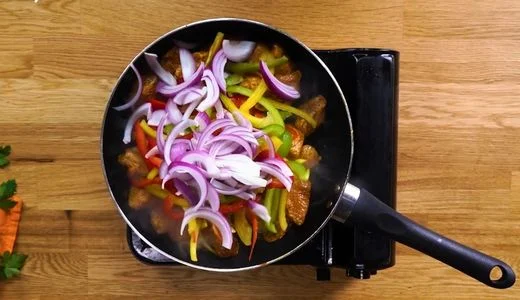
Heat a large skillet or Dutch oven over high heat and add 2 tablespoons of oil. Once the oil shimmers and just begins to smoke slightly, add half of your seasoned protein-vegetable mixture. This is important-don’t overcrowd the pan or the ingredients will steam rather than sear. Spread everything in an even layer and let it cook undisturbed for 1-2 minutes to develop a golden-brown crust on the chicken and sausage. Then stir and continue cooking for another 3-4 minutes until the chicken is mostly cooked through (it doesn’t need to be 100% done yet), the shrimp has turned pink and opaque, and the vegetables have softened slightly with some charred edges. Transfer this first batch to a plate. Add another tablespoon of oil to the skillet if needed, then repeat the searing process with the remaining half of the mixture. The high-heat searing creates those caramelized, flavorful bits that make the Cheesecake Factory jambalaya pasta so irresistible.
Step 4: Build the Sauce
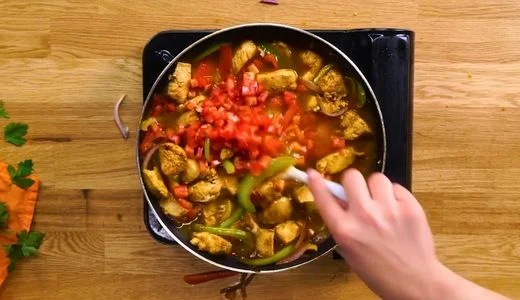
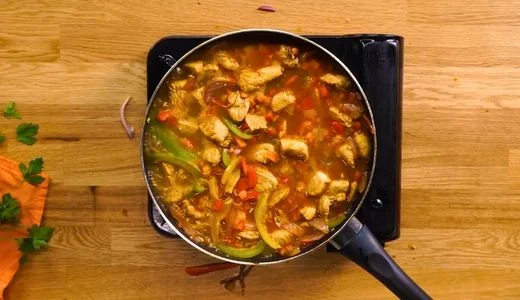
Return all of the seared proteins and vegetables (including any accumulated juices from the resting plate) back into the skillet. Reduce heat to medium-high and add 2 tablespoons of tomato paste directly to the center of the pan. Stir the tomato paste constantly for about 1 minute-this toasting process removes the raw, tinny flavor and deepens the paste’s natural sweetness and umami. Next, pour in the entire can of diced tomatoes with their juice, 2 cups of low-sodium chicken broth, and 1 teaspoon of dried thyme if using. Stir everything together, scraping up any browned bits stuck to the bottom of the pan (that’s pure flavor). Bring the mixture to a vigorous simmer, then reduce the heat to medium-low. Let the sauce cook for 5-7 minutes, stirring occasionally, until it has reduced slightly and thickened to a consistency that coats the back of a spoon. This reduction concentrates the flavors and creates the signature Cheesecake Factory jambalaya pasta sauce foundation.
Step 5: Combine and Finish
Add your drained, slightly undercooked pasta directly to the skillet with the sauce. Using tongs or a large fork, toss and lift the pasta strands, ensuring every piece becomes thoroughly coated with the Cajun sauce and the proteins and vegetables are distributed evenly throughout. If the mixture seems dry or the sauce isn’t clinging to the pasta properly, add the reserved pasta water ¼ cup at a time, tossing between additions until you achieve a glossy, cohesive sauce that pools slightly at the bottom but isn’t soupy. For a creamier version of your Cheesecake Factory jambalaya pasta copycat recipe, stir in ½ cup of heavy cream at this point and continue cooking for 1-2 minutes until heated through and the cream has integrated seamlessly into the tomato base, creating a beautiful coral-colored sauce. Taste and adjust seasoning-you may want to add more Cajun seasoning for heat, salt for depth, or a pinch of sugar if the tomatoes taste too acidic.
Step 6: Serve
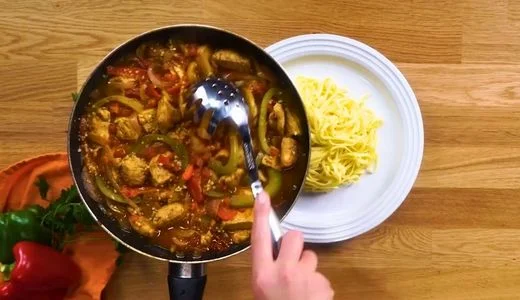
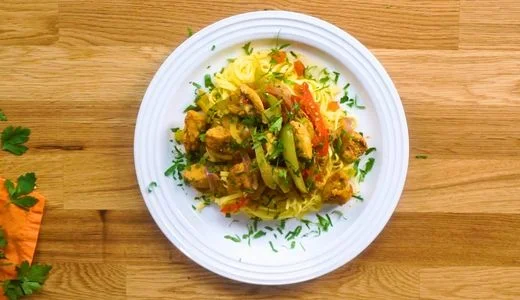
Remove the skillet from heat and let the pasta rest for 1-2 minutes, allowing the sauce to thicken slightly as it cools. Transfer portions to wide, shallow bowls or plates-presentation matters when recreating restaurant dishes! Garnish generously with freshly chopped green onions or parsley for a pop of color and fresh herbaceous flavor that brightens the rich sauce. Serve immediately while piping hot, with grated Parmesan cheese on the side for guests to add as desired. The pasta continues to absorb sauce as it sits, so enjoy your copycat Cheesecake Factory jambalaya pasta right away for the best texture and flavor experience.
Customization and Pairing for Serving Ideas
1. Seafood Lover’s Variation
Elevate your Cheesecake Factory jambalaya pasta recipe into a premium seafood feast by swapping the chicken for scallops and adding crawfish tails or lump crab meat. Use only seafood proteins-1 lb total of shrimp, scallops, crawfish, and crab in any combination you prefer. Sear the scallops separately for 2 minutes per side until golden, and add delicate crab meat at the very end just to warm through. This variation intensifies the briny, oceanic flavors while maintaining the Cajun essence. Finish with a squeeze of fresh lemon juice to brighten the richness.
2. Vegetarian Cajun Pasta
Create a meatless version that’s equally satisfying by replacing the proteins with hearty vegetables and plant-based alternatives. Use sliced portobello mushrooms, cubed firm tofu or tempeh (pressed and pan-fried until crispy), chunky zucchini, and additional bell peppers. Add a can of drained white beans or chickpeas for substance and protein. Use vegetable broth instead of chicken broth, and increase the smoked paprika in your Cajun blend to compensate for the missing andouille’s smokiness. The result is a vibrant, veggie-packed copycat Cheesecake Factory jambalaya pasta that vegetarians and meat-eaters alike will devour.
3. Heat Level Customization
The Cheesecake Factory jambalaya pasta can be tailored precisely to your heat tolerance. For mild versions suitable for kids or spice-sensitive diners, reduce Cajun seasoning to 1 tablespoon and use sweet paprika instead of cayenne-heavy blends. Omit black pepper and add a pinch of sugar to balance acidity. For fire-breathers who want authentic Louisiana heat, increase Cajun seasoning to 4 tablespoons, add 1-2 diced fresh jalapeños with the vegetables, include ½ teaspoon cayenne pepper, and finish with a few dashes of your favorite hot sauce. Serve extra hot sauce tableside so guests can adjust to their preference.
4. Wine and Beverage Pairings
The bold, spicy profile of Cheesecake Factory jambalaya pasta pairs beautifully with beverages that can stand up to the heat while refreshing the palate. A chilled off-dry Riesling or Gewürztraminer offers sweetness that tames the spice while its acidity cuts through the cream. For beer lovers, a crisp pilsner or wheat beer provides effervescence and subtle sweetness. Red wine enthusiasts should reach for a fruit-forward Zinfandel or Grenache with enough body to complement the sausage. Non-alcoholic options include sweet iced tea (very Louisiana-appropriate), lemonade, or sparkling water with lime to cleanse between bites.
5. Complete Cajun Feast Experience
Transform your Cheesecake Factory jambalaya pasta copycat recipe into a full Louisiana-inspired dinner party by serving it alongside complementary dishes. Start with a crisp wedge salad with buttermilk ranch or blue cheese dressing to cool palates before the spicy main. Serve warm, crusty French bread or garlic bread for soaking up extra sauce. Add a simple coleslaw with a tangy vinegar dressing to provide crunch and acidity. Finish with a classic Southern dessert like bread pudding with bourbon sauce or key lime pie to end on a sweet, refreshing note that balances the meal’s heat.
6. Pasta Shape Experimentation
While linguine or fettuccine are traditional for the Cheesecake Factory jambalaya pasta, different pasta shapes create unique eating experiences. Penne or rigatoni’s tubes catch the chunky sauce and protein pieces beautifully, making each forkful more substantial. Cavatappi (corkscrew pasta) adds visual appeal and holds sauce in its spirals. For a more elegant presentation, use fresh pappardelle-the wide ribbons create a luxurious mouthfeel and better showcase the colorful vegetables. Farfalle (bow ties) work wonderfully for potluck presentations where you want the pasta to hold up well and look attractive in a serving dish.
7. Make-It-Your-Own Bar for Gatherings
Host an interactive dinner party by serving Cheesecake Factory jambalaya pasta as a build-your-own-bowl experience. Prepare the base pasta and sauce, then set out stations with various proteins (grilled chicken, blackened shrimp, sliced sausage), additional vegetables (roasted corn, sautéed mushrooms, extra peppers), toppings (shredded cheese, sour cream, diced avocado, crispy fried onions), and heat enhancers (various hot sauces, pickled jalapeños, Cajun seasoning shakers). Guests customize their portions according to preferences, making it perfect for accommodating different spice tolerances and dietary needs while keeping everyone engaged and excited about their meal.
Tips Section
1. Choosing the Right Andouille Sausage
The andouille sausage is the flavor backbone of authentic Cheesecake Factory jambalaya pasta, so quality matters significantly. Look for true Louisiana-style andouille, which is coarsely ground, heavily smoked, and seasoned with garlic and Cajun spices-brands like Aidells, Jacob’s, or Savoie’s are excellent choices. Avoid generic “smoked sausage” which lacks the distinctive flavor profile. The sausage should have visible fat marbling and a deep reddish-brown color. If andouille is unavailable in your area, kielbasa makes an acceptable substitute, though you’ll need to increase the Cajun seasoning and add ½ teaspoon of liquid smoke to approximate that characteristic smokiness. Slice the sausage on a slight diagonal for more surface area to caramelize during searing.
2. Mastering the High-Heat Sear
The difference between good and exceptional copycat Cheesecake Factory jambalaya pasta lies in proper searing technique. Your skillet must be screaming hot before adding proteins-when you hover your hand 3 inches above the surface, you should feel intense heat radiating. This high temperature creates the Maillard reaction, developing complex, caramelized flavors and attractive golden-brown color on chicken and sausage. Resist the urge to stir immediately; let ingredients sit undisturbed for those crucial first 1-2 minutes. The proteins will release naturally from the pan once properly seared. Overcrowding lowers pan temperature and causes steaming instead of searing, which is why cooking in batches is non-negotiable even though it adds time. Pat shrimp dry with paper towels before seasoning to ensure they sear rather than steam.
3. Cajun Seasoning Blend Secrets
Commercial Cajun seasonings vary wildly in salt content, heat level, and quality. For the most authentic Cheesecake Factory jambalaya pasta recipe, make your own blend: combine 1 tablespoon paprika, 1 teaspoon garlic powder, 1 teaspoon onion powder, 1 teaspoon dried oregano, 1 teaspoon dried thyme, ½ teaspoon cayenne pepper (adjust to taste), ½ teaspoon black pepper, and ½ teaspoon white pepper. This yields about 3 tablespoons of salt-free seasoning, allowing you to control sodium levels independently. Store extras in an airtight container for up to 6 months. If using store-bought, read labels carefully-if salt is the first ingredient, reduce or eliminate additional salt in the recipe. Tony Chachere’s and Slap Ya Mama are reliable brands, but start conservatively as they pack serious heat.
4. The Pasta Water Secret
That reserved cup of starchy pasta water is your secret weapon for creating restaurant-quality sauce consistency in your copycat Cheesecake Factory jambalaya pasta. The starch dissolved in the water acts as a natural emulsifier, helping the sauce cling to pasta strands and creating a glossy, cohesive coating rather than a watery puddle. Add it gradually-¼ cup at a time-while tossing the pasta vigorously. You might not need the full cup; stop when the sauce reaches a consistency where it coats pasta beautifully but still has some fluidity. If you accidentally make the sauce too thin, simply continue cooking over medium heat for 2-3 minutes to reduce excess liquid. Never rinse cooked pasta, as this removes the surface starch that helps sauce adhere.
5. Cream vs. No Cream Decision
The Cheesecake Factory jambalaya pasta can be prepared with or without heavy cream, each version offering distinct advantages. The cream-free version is lighter, allowing the tomatoes’ brightness and Cajun spices’ heat to shine more prominently-it’s closer to traditional Creole cooking philosophy. Adding cream creates a more luxurious, velvety texture that mellows the heat slightly and turns the sauce a beautiful coral color. For the best of both worlds, use half-and-half instead of heavy cream for moderate richness, or stir in 2-3 tablespoons of cream cheese for tanginess and body without excessive heaviness. Whichever you choose, add dairy at the very end and heat gently to prevent curdling-never let cream boil vigorously in tomato-based sauces.
6. Timing Protein Doneness Perfectly
Since you’re cooking three different proteins with different ideal cooking times, proper sequencing prevents dry chicken or rubbery shrimp. Chicken takes longest (165°F internal temperature), andouille is pre-cooked so just needs heating and browning, and shrimp cooks fastest (2-3 minutes until pink). When searing your first batch, arrange chicken pieces where the heat is most intense (usually the center), place sausage around the edges where it’s slightly cooler, and add shrimp last or pull them out first. Remember that everything continues cooking when you build the sauce and combine with hot pasta, so slight undercooking during the sear is actually ideal. Shrimp should still have a tiny translucent spot in the very center when you remove them from the initial sear-they’ll finish perfectly in the final toss.
7. Scaling for Meal Prep and Crowds
Cheesecake Factory jambalaya pasta scales beautifully for meal prep or feeding a crowd, but requires some adjustments. When doubling the recipe, use two large skillets simultaneously rather than one enormous pot-you’ll maintain better heat control for proper searing. For meal prep, slightly undercook the pasta (2 minutes less than al dente) and keep the sauce on the thinner side since pasta absorbs liquid during storage. Store components separately: proteins and vegetables in one container, pasta in another, sauce in a third. This prevents soggy pasta. When reheating, combine in a skillet with a splash of broth or water over medium heat, tossing frequently until heated through. For parties, keep the finished pasta warm in a slow cooker on low, stirring every 15 minutes and adding splashes of broth as needed to maintain proper consistency.
Storage and Reheating Guidance
Store leftover Cheesecake Factory jambalaya pasta copycat recipe in an airtight container in the refrigerator for up to 3 days. Reheat in a skillet over medium heat with 2-3 tablespoons of chicken broth or water, stirring frequently until warmed through (about 5-7 minutes). Alternatively, microwave individual portions in 1-minute intervals, stirring between, until hot. Add a splash of cream or broth to revive the sauce. Not recommended for freezing as shrimp and cream-based sauces can separate and become grainy upon thawing.
Common Queries and FAQs Section
Here, we’ve got you covered with some common questions that people often ask
Q: Can I make Cheesecake Factory jambalaya pasta ahead of time?
A: Yes, but with modifications for best results. Cook the proteins and vegetables completely, prepare the sauce, but cook pasta only 75% of the way through. Store everything separately in the refrigerator for up to 24 hours. When ready to serve, bring the sauce and protein mixture to a simmer, add the partially cooked pasta and enough broth to finish cooking (about 3-4 minutes), then proceed with combining. This prevents mushy, oversaturated pasta.
Q: What’s the best substitute if I can’t find andouille sausage?
A: Kielbasa or smoked Polish sausage are the closest mainstream substitutes, though they’re milder. Enhance them by adding ½ teaspoon liquid smoke to the sauce and increasing Cajun seasoning by 1 tablespoon. Spanish chorizo (the cured, hard variety) works in a pinch but will create a different flavor profile. Avoid Italian sausage or bratwurst, which contain fennel and herbs that clash with Cajun seasonings.
Q: How can I make this dish less spicy without losing flavor?
A: Reduce Cajun seasoning to 1 tablespoon and choose a mild blend like McCormick’s instead of Louisiana brands. Increase the heavy cream to ¾ cup to buffer the heat. Add 1 teaspoon of sugar to balance acidity and perceived spiciness. Include an extra bell pepper (yellow or orange are sweetest) and increase the onion. The dairy, sweetness, and additional vegetables will mellow the heat while maintaining the dish’s characteristic flavors.
Q: Can I use frozen shrimp for this recipe?
A: Absolutely! In fact, most “fresh” shrimp at grocery stores were previously frozen anyway. Buy IQF (individually quick frozen) shrimp that are already peeled and deveined to save prep time. Thaw them overnight in the refrigerator or use the quick-thaw method: place in a colander under cold running water for 10-15 minutes. Pat completely dry with paper towels before seasoning-excess moisture prevents proper searing and dilutes the Cheesecake Factory jambalaya pasta sauce.
Q: Why is my pasta sauce watery instead of creamy and thick?
A: Several factors cause thin sauce: not reducing the tomato-broth mixture long enough in step 4 (it needs that full 5-7 minutes), rinsing the pasta before adding it (which removes helpful starch), or adding too much reserved pasta water too quickly. If your sauce is already too thin, transfer to a wide skillet and simmer over medium-high heat for 3-5 minutes without the lid, stirring frequently, until it reduces to your desired consistency. The starches from the pasta will also help thicken as the dish sits for a minute or two before serving.
Q: Can I use a different type of pasta for this recipe?
A: Yes! While linguine or fettuccine are traditional for the Cheesecake Factory jambalaya pasta, penne, rigatoni, cavatappi, or even bowtie pasta work wonderfully. Tube or shaped pastas actually hold the chunky sauce and protein pieces better than long strands, making them excellent choices. Just maintain the same cooking approach-undercook by 1 minute, reserve pasta water, and finish cooking in the sauce. Avoid delicate pasta like angel hair, which becomes mushy, or very large shapes like shells, which are too bulky for this dish.
Q: What size shrimp should I buy for the best results?
A: Large shrimp (31-40 count per pound) or extra-large (26-30 count) work best for Cheesecake Factory jambalaya pasta copycat recipe. They’re substantial enough to hold up to the hearty sauce and high-heat searing without overcooking, plus they’re easy to see and eat among the other ingredients. Jumbo shrimp can work but cost more and risk becoming rubbery if you’re not careful with timing. Avoid small or medium shrimp-they overcook easily and get lost among the vegetables and pasta.
Cheesecake Factory Jambalaya Pasta Recipe
Ingredients
Equipment
Method
- Fill a large pot with water, add 1-2 tablespoons of salt, and bring to a rolling boil over high heat. Once boiling, add 12 oz of linguine or fettuccine and cook for 8-9 minutes-about 1 minute less than the package directions for al dente. The pasta will finish cooking later when combined with the sauce, so slightly undercooking now prevents mushiness in your final Cheesecake Factory jambalaya pasta. Before draining, use a ladle or measuring cup to reserve 1 cup of the starchy pasta water-this liquid gold will help create a silky sauce later. Drain the pasta in a colander and set aside.
- In a large mixing bowl, combine your cut chicken breast pieces, peeled and deveined shrimp, sliced andouille sausage rounds, sliced red and green bell peppers, thinly sliced red onion, and minced garlic. Sprinkle 2-3 tablespoons of Cajun seasoning over everything (start with 2 if you’re sensitive to heat), along with 1 teaspoon salt and ½ teaspoon black pepper. Using clean hands or tongs, toss everything together thoroughly, ensuring each piece of protein and every vegetable slice is evenly coated with the seasoning blend. This pre-seasoning technique is crucial for building deep flavor throughout your copycat Cheesecake Factory jambalaya pasta rather than relying solely on the sauce.
- Heat a large skillet or Dutch oven over high heat and add 2 tablespoons of oil. Once the oil shimmers and just begins to smoke slightly, add half of your seasoned protein-vegetable mixture. This is important-don’t overcrowd the pan or the ingredients will steam rather than sear. Spread everything in an even layer and let it cook undisturbed for 1-2 minutes to develop a golden-brown crust on the chicken and sausage. Then stir and continue cooking for another 3-4 minutes until the chicken is mostly cooked through (it doesn’t need to be 100% done yet), the shrimp has turned pink and opaque, and the vegetables have softened slightly with some charred edges. Transfer this first batch to a plate. Add another tablespoon of oil to the skillet if needed, then repeat the searing process with the remaining half of the mixture. The high-heat searing creates those caramelized, flavorful bits that make the Cheesecake Factory jambalaya pasta so irresistible.
- Return all of the seared proteins and vegetables (including any accumulated juices from the resting plate) back into the skillet. Reduce heat to medium-high and add 2 tablespoons of tomato paste directly to the center of the pan. Stir the tomato paste constantly for about 1 minute-this toasting process removes the raw, tinny flavor and deepens the paste’s natural sweetness and umami. Next, pour in the entire can of diced tomatoes with their juice, 2 cups of low-sodium chicken broth, and 1 teaspoon of dried thyme if using. Stir everything together, scraping up any browned bits stuck to the bottom of the pan (that’s pure flavor). Bring the mixture to a vigorous simmer, then reduce the heat to medium-low. Let the sauce cook for 5-7 minutes, stirring occasionally, until it has reduced slightly and thickened to a consistency that coats the back of a spoon. This reduction concentrates the flavors and creates the signature Cheesecake Factory jambalaya pasta sauce foundation.
- Add your drained, slightly undercooked pasta directly to the skillet with the sauce. Using tongs or a large fork, toss and lift the pasta strands, ensuring every piece becomes thoroughly coated with the Cajun sauce and the proteins and vegetables are distributed evenly throughout. If the mixture seems dry or the sauce isn’t clinging to the pasta properly, add the reserved pasta water ¼ cup at a time, tossing between additions until you achieve a glossy, cohesive sauce that pools slightly at the bottom but isn’t soupy. For a creamier version of your Cheesecake Factory jambalaya pasta copycat recipe, stir in ½ cup of heavy cream at this point and continue cooking for 1-2 minutes until heated through and the cream has integrated seamlessly into the tomato base, creating a beautiful coral-colored sauce. Taste and adjust seasoning-you may want to add more Cajun seasoning for heat, salt for depth, or a pinch of sugar if the tomatoes taste too acidic.
- Remove the skillet from heat and let the pasta rest for 1-2 minutes, allowing the sauce to thicken slightly as it cools. Transfer portions to wide, shallow bowls or plates-presentation matters when recreating restaurant dishes! Garnish generously with freshly chopped green onions or parsley for a pop of color and fresh herbaceous flavor that brightens the rich sauce. Serve immediately while piping hot, with grated Parmesan cheese on the side for guests to add as desired. The pasta continues to absorb sauce as it sits, so enjoy your copycat Cheesecake Factory jambalaya pasta right away for the best texture and flavor experience.
Video
Notes
This Cheesecake Factory jambalaya pasta recipe proves you don’t need a reservation to enjoy restaurant-quality Cajun fusion at its finest. By mastering the high-heat sear, balancing bold Cajun spices with creamy richness, and combining premium proteins with perfectly cooked pasta, you’ve unlocked the secrets behind one of the menu’s most beloved dishes. The beauty of this copycat Cheesecake Factory jambalaya pasta lies not just in recreating the original, but in making it your own-adjusting heat levels, swapping proteins, and customizing to your family’s preferences. Whether you keep it classic or experiment with the variations suggested, you now have a show-stopping dinner that brings Louisiana soul and Italian comfort together in one spectacular skillet. Enjoy every spicy, satisfying bite!
We’d love to hear how this recipe turns out for you! Give it a try, then drop a comment below to share your thoughts and tips with us.
Also, follow along on Pinterest and Youtube for more tasty updates. Your support and thoughts mean the world!