
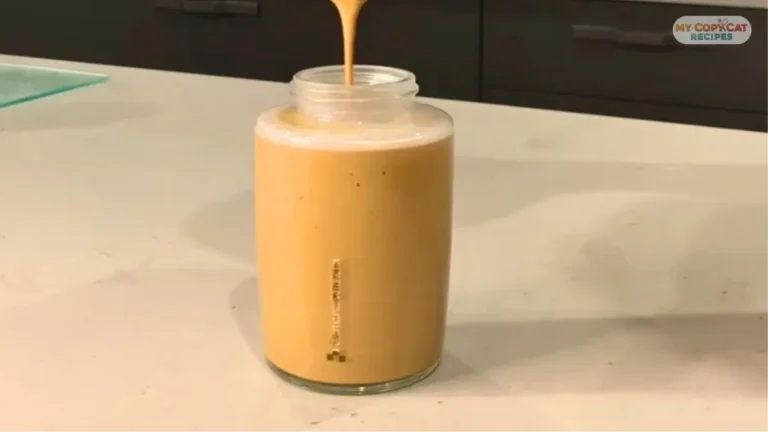

There’s something magical about the way Cheesecake Factory’s vinaigrette transforms an ordinary salad into a restaurant-worthy experience.
This iconic dressing has captivated diners for years with its perfect balance of tangy balsamic, savory umami, and smooth texture. Now you can recreate this beloved Cheesecake Factory vinaigrette recipe in your own kitchen with ingredients you likely already have.
This copycat version delivers that signature flavor profile-complex yet balanced, with just the right amount of sweetness and acidity that makes every bite irresistible.
What Does Cheesecake Factory Vinaigrette Taste Like?
The Cheesecake Factory vinaigrette dressing offers a harmonious balance of tangy balsamic sweetness with savory depth from soy sauce and Dijon mustard.
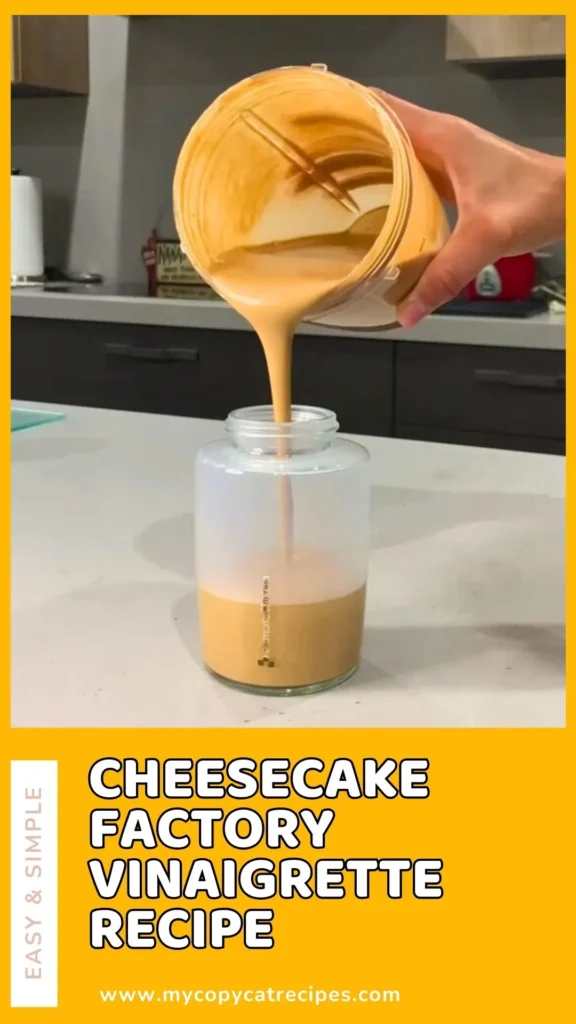
The dual vinegar base-balsamic and red wine-creates layers of acidity that brighten without overwhelming. Subtle garlic and shallot notes add aromatic complexity, while the smooth, emulsified texture coats greens beautifully.
The finish is clean and slightly sweet, with a peppery kick that keeps you coming back for more. It’s this sophisticated flavor combination that elevates simple mixed greens into something truly memorable.
Ingredients and Kitchen Utensils
Cheesecake Factory Vinaigrette Ingredients:
Vinegar Base:
- 6 tbsp Balsamic Vinegar
- 1 tbsp Red Wine Vinegar
Oil Component:
- ½ cup Extra Virgin Olive Oil
- ½ cup Canola Oil
Flavor Enhancers:
- 2 tbsp Sugar
- 1 tbsp Soy Sauce
- 1 ½ tsp Dijon Mustard
- 1 tbsp Minced Shallots
- 1 tbsp Minced Garlic
- ½ tsp Sea Salt
- ½ tsp Ground Black Pepper
Kitchen Utensils Needed:
- Medium mixing bowl
- Whisk or fork
- Measuring cups and spoons
- Sharp knife and cutting board
- Glass jar with tight-fitting lid (for storage)
- Small prep bowl (optional, for macerating aromatics)
Preparation and Cooking Time
Prep Time: 10 minutes (plus 5-10 minutes for macerating aromatics)
Total Time: 15-20 minutes
Yield: Approximately 2 cups (16 servings, 2 tablespoons each)
Difficulty Level: Easy
Cheesecake Factory Vinaigrette Recipe Instructions
Step 1: Prepare and Macerate the Aromatics
Finely mince the garlic and shallots until they’re nearly paste-like. Combine them in your mixing bowl with the balsamic vinegar and red wine vinegar. Let this mixture sit undisturbed for 5-10 minutes. This crucial step “pickles” the aromatics slightly, mellowing their raw bite and infusing the vinegar with aromatic depth-a technique that separates restaurant-quality vinaigrette from ordinary dressing.
Step 2: Incorporate the Soluble Ingredients
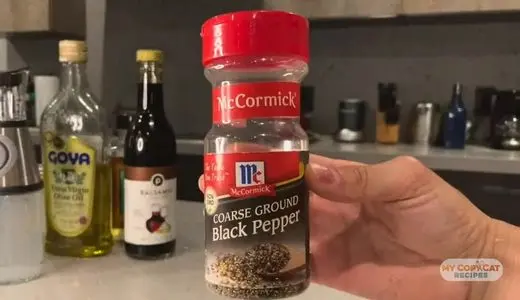
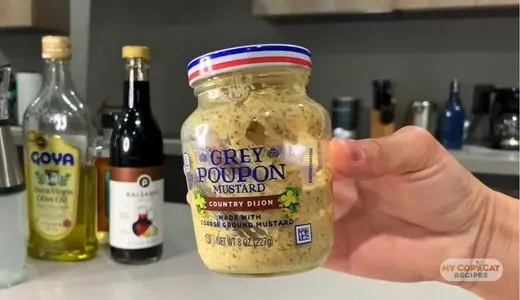
Add the sugar, soy sauce, Dijon mustard, sea salt, and ground black pepper to your vinegar mixture. Whisk vigorously until the sugar and salt crystals dissolve completely, about 30-45 seconds. The mixture should appear slightly cloudy and well-combined. The Dijon mustard acts as a natural emulsifier, helping to stabilize the final dressing.
Step 3: Create the Emulsion
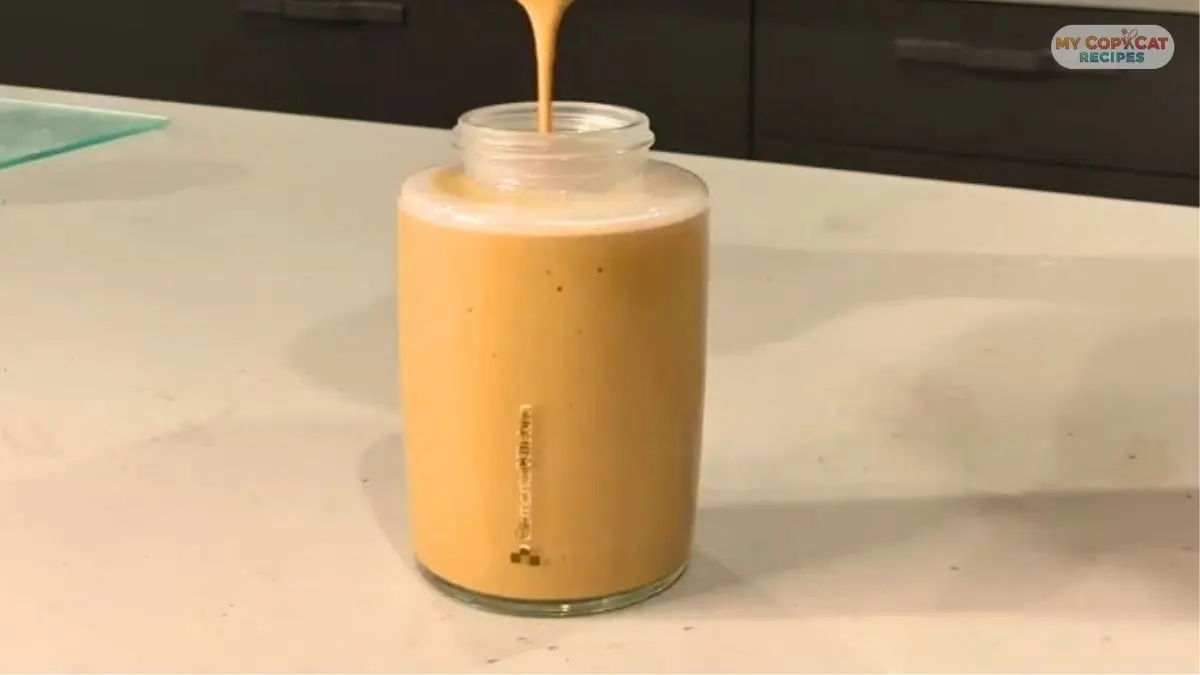
This is the most important step for achieving that signature Cheesecake Factory vinaigrette texture. While whisking constantly and vigorously, begin drizzling in the canola oil in a very thin, steady stream. Once the canola oil is incorporated, continue with the extra virgin olive oil in the same manner. The constant whisking motion creates tiny oil droplets suspended in the vinegar base, forming a creamy, stable emulsion. Your dressing should appear smooth and slightly thickened.
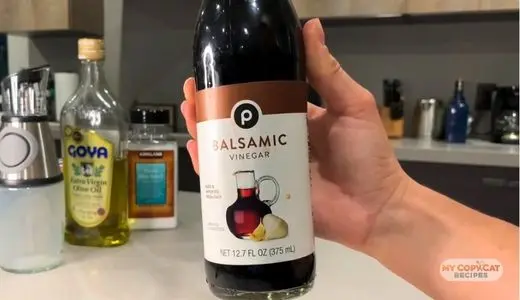
Step 4: Taste and Adjust
Sample your vinaigrette and adjust seasoning if needed. If it’s too acidic, add a pinch more sugar. If it needs more depth, a few extra drops of soy sauce work wonders. For more brightness, add a splash of vinegar. The beauty of homemade dressing is customizing it to your exact preferences.
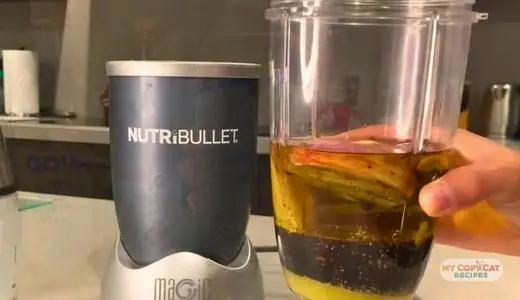
Step 5: Store Properly
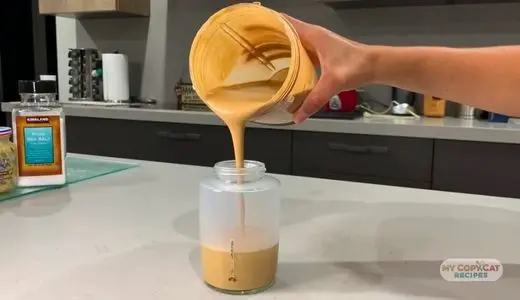
Transfer your finished Cheesecake Factory vinaigrette dressing to a clean glass jar or bottle with a tight-fitting lid. The canola oil keeps the dressing liquid even when refrigerated, but give it a good shake before each use to re-emulsify.
Customization and Pairing Ideas for Serving
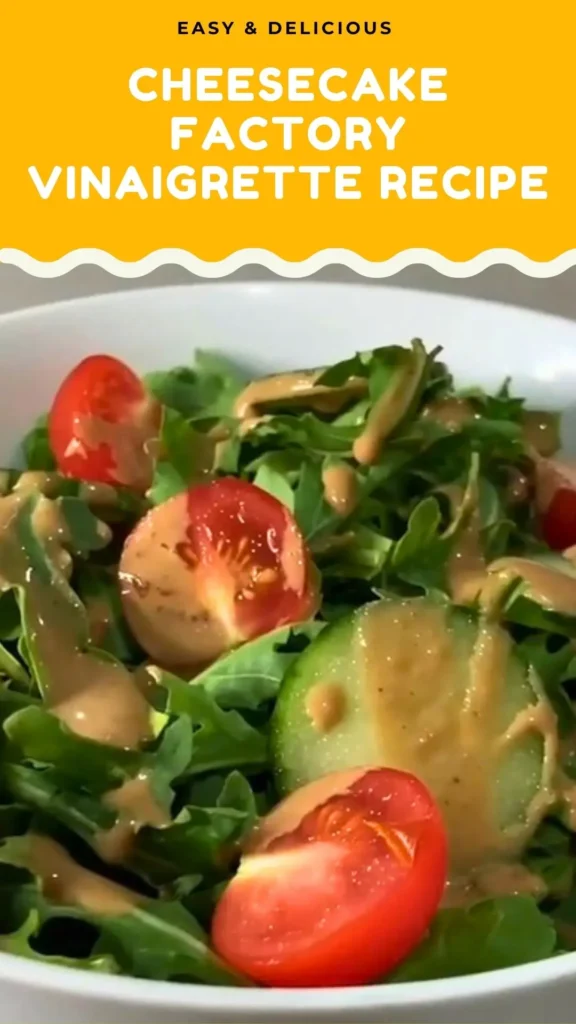
1. Classic Mixed Green Salad: Toss this vinaigrette with spring mix, romaine hearts, cherry tomatoes, cucumber slices, and red onion for a simple side salad that mirrors the Cheesecake Factory experience. The dressing’s balanced acidity cuts through rich main courses beautifully.
2. Grilled Chicken and Arugula Bowl: Drizzle this dressing over peppery arugula topped with grilled chicken breast, shaved Parmesan, toasted pine nuts, and dried cranberries. The vinaigrette’s umami notes from the soy sauce complement the charred chicken perfectly while the sweetness plays off the cranberries.
3. Roasted Vegetable Drizzle: Don’t limit this vinaigrette to raw salads. Use it as a finishing sauce for roasted Brussels sprouts, caramelized cauliflower, or grilled asparagus. The balsamic component caramelizes slightly when drizzled on hot vegetables, adding another layer of complexity.
4. Pasta Salad Enhancement: Transform your pasta salad by using this Cheesecake Factory vinaigrette salad dressing recipe instead of mayo-based dressings. Toss with cooled rotini, fresh mozzarella pearls, sun-dried tomatoes, olives, and fresh basil for a Mediterranean-inspired dish perfect for potlucks.
5. Marinade for Proteins: The balanced acidity makes this an excellent marinade for chicken, pork chops, or salmon. The vinegar tenderizes while the oil keeps meat moist. Marinate for 30 minutes to 2 hours before grilling or baking for restaurant-quality results.
6. Grain Bowl Base: Use as a flavor foundation for quinoa or farro bowls. The dressing adds moisture and taste to otherwise plain grains, working especially well when topped with roasted chickpeas, avocado, shredded carrots, and hemp seeds for a nutritious lunch option.
7. Caprese Variation: Elevate the classic Caprese salad by replacing traditional balsamic reduction with this vinaigrette. Drizzle over thick tomato slices, fresh mozzarella, and basil leaves. The garlic and shallot add aromatic complexity that standard balsamic glaze lacks.
Essential Tips for Perfect Vinaigrette
1. Oil Temperature Matters: Always use room-temperature oils when making vinaigrette. Cold oil from the refrigerator is harder to emulsify and may cause your dressing to separate more quickly. Let your oils sit out for 30 minutes before starting, especially during winter months when kitchens are cooler.
2. The Slow Pour Technique: Patience during the emulsification process creates superior texture. Pouring oil too quickly prevents proper emulsion formation, resulting in a thin, separated dressing. Aim for a stream about the thickness of a pencil lead-it should take 2-3 minutes to incorporate all the oil.
3. Shallot Superiority: While onion powder might seem like a convenient substitute, fresh minced shallots provide incomparable flavor complexity. Shallots offer a more delicate, slightly sweet onion flavor without the harsh bite of raw onion. If you absolutely must substitute, use half the amount of finely minced red onion.
4. Quality Vinegar Investment: The balsamic vinegar quality directly impacts your final result. You don’t need a $50 aged variety, but avoid the cheapest options. Look for balsamic from Modena, Italy, with “aceto balsamico” on the label. A mid-range bottle ($8-15) delivers authentic flavor that makes all the difference.
5. Emulsion Rescue Method: If your vinaigrette breaks and separates, don’t panic-it’s easily fixable. Start with a clean bowl and 1 teaspoon of Dijon mustard. Slowly whisk your broken dressing into the mustard, treating the mustard as your new base. The additional emulsifier will bring everything back together beautifully.
6. Batch Size Wisdom: This recipe makes about 2 cups, which is ideal for weekly meal prep without waste. Vinaigrettes taste best within 7-10 days of preparation. Making smaller batches more frequently ensures you’re always enjoying peak flavor rather than finishing a bottle that’s lost its vibrancy.
7. The Shake Method Alternative: If whisking feels too labor-intensive, combine all ingredients in a mason jar with a tight lid and shake vigorously for 60-90 seconds. While this won’t create quite as stable an emulsion as whisking, it’s perfectly acceptable for home use and requires zero specialized technique.
Storage and Reheating Guidance
Store your Cheesecake Factory vinaigrette in an airtight glass container in the refrigerator for up to 10 days. The canola oil prevents complete solidification, but shake or whisk vigorously before each use to re-emulsify. Let sit at room temperature for 5-10 minutes before serving for optimal flavor and pourability.
Common Queries and FAQs
Here, we’ve got you covered with some common questions that people often ask.
Can I make this Cheesecake Factory vinaigrette dressing without soy sauce?
Yes, though the soy sauce contributes important umami depth. Substitute with Worcestershire sauce (1 ½ teaspoons) or coconut aminos for a gluten-free option. You may need to add an extra pinch of salt to compensate for the reduced sodium.
Why does my vinaigrette separate in the refrigerator?
All vinaigrettes eventually separate due to the natural incompatibility of oil and vinegar. The canola oil in this recipe minimizes separation, but some is normal. Simply shake or whisk before each use. The Dijon mustard helps stabilize the emulsion, so don’t skip it.
What’s the purpose of using two different oils?
The canola oil keeps the dressing fluid when cold, while extra virgin olive oil provides robust flavor. Using only olive oil would cause excessive solidification in the fridge, making the dressing difficult to pour. This combination offers both convenience and taste.
Can I substitute white balsamic vinegar?
White balsamic works but lacks the deep, complex sweetness of traditional dark balsamic. Your vinaigrette will be lighter in color and slightly more acidic. If using white balsamic, increase the sugar to 2 ½ tablespoons to compensate for the reduced sweetness.
Is this vinaigrette gluten-free?
Most soy sauce contains wheat, making traditional versions unsuitable for gluten-free diets. Substitute with tamari or certified gluten-free soy sauce to make this recipe celiac-safe. All other Cheesecake Factory vinaigrette ingredients are naturally gluten-free.
How can I make this dressing thicker?
For a creamier consistency, increase the Dijon mustard to 2 teaspoons or add 1 tablespoon of Greek yogurt or mayonnaise. Alternatively, use an immersion blender to create a more stable emulsion with smaller oil droplets, resulting in noticeably thicker texture.
Can I reduce the oil for a lighter version?
You can reduce the total oil to 1 ½ cups (¾ cup each type), but this will make the dressing more acidic and less smooth. If reducing oil, also reduce vinegar proportionally-use 4 ½ tablespoons balsamic and 2 teaspoons red wine vinegar to maintain balance.
Cheesecake Factory Vinaigrette Recipe
Ingredients
Equipment
Method
- Finely mince the garlic and shallots until they’re nearly paste-like. Combine them in your mixing bowl with the balsamic vinegar and red wine vinegar. Let this mixture sit undisturbed for 5-10 minutes. This crucial step “pickles” the aromatics slightly, mellowing their raw bite and infusing the vinegar with aromatic depth-a technique that separates restaurant-quality vinaigrette from ordinary dressing.
- Add the sugar, soy sauce, Dijon mustard, sea salt, and ground black pepper to your vinegar mixture. Whisk vigorously until the sugar and salt crystals dissolve completely, about 30-45 seconds. The mixture should appear slightly cloudy and well-combined. The Dijon mustard acts as a natural emulsifier, helping to stabilize the final dressing.
- This is the most important step for achieving that signature Cheesecake Factory vinaigrette texture. While whisking constantly and vigorously, begin drizzling in the canola oil in a very thin, steady stream. Once the canola oil is incorporated, continue with the extra virgin olive oil in the same manner. The constant whisking motion creates tiny oil droplets suspended in the vinegar base, forming a creamy, stable emulsion. Your dressing should appear smooth and slightly thickened.
- Sample your vinaigrette and adjust seasoning if needed. If it’s too acidic, add a pinch more sugar. If it needs more depth, a few extra drops of soy sauce work wonders. For more brightness, add a splash of vinegar. The beauty of homemade dressing is customizing it to your exact preferences.
- Transfer your finished Cheesecake Factory vinaigrette dressing to a clean glass jar or bottle with a tight-fitting lid. The canola oil keeps the dressing liquid even when refrigerated, but give it a good shake before each use to re-emulsify.
Video
Notes
This Cheesecake Factory vinaigrette recipe brings restaurant-quality flavor to your everyday meals with minimal effort and maximum impact. By combining quality ingredients with proper emulsification technique, you’ve mastered a versatile dressing that transforms simple salads into memorable dishes.
The balanced blend of balsamic sweetness, savory umami, and aromatic depth creates that signature taste you crave from the restaurant. Keep a batch in your refrigerator, and you’ll find yourself reaching for it constantly-drizzling over greens, marinating proteins, or finishing roasted vegetables. Enjoy your homemade creation!
We’d love to hear how this recipe turns out for you! Give it a try, then drop a comment below to share your thoughts and tips with us. Also, follow along on Pinterest and Youtube for more tasty updates. Your support and thoughts mean the world!
Thanks for the simple recipe