
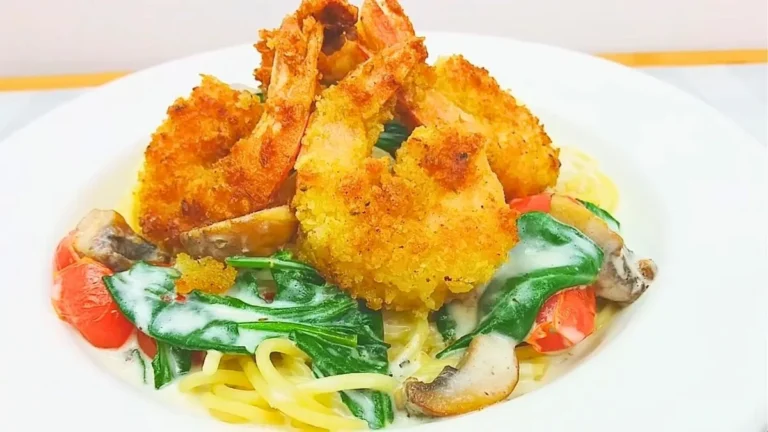

The Cheesecake Factory shrimp bistro pasta stands as one of the restaurant’s most celebrated dishes, combining crispy panko-crusted shrimp with tender spaghetti enveloped in a luscious lemon cream sauce.
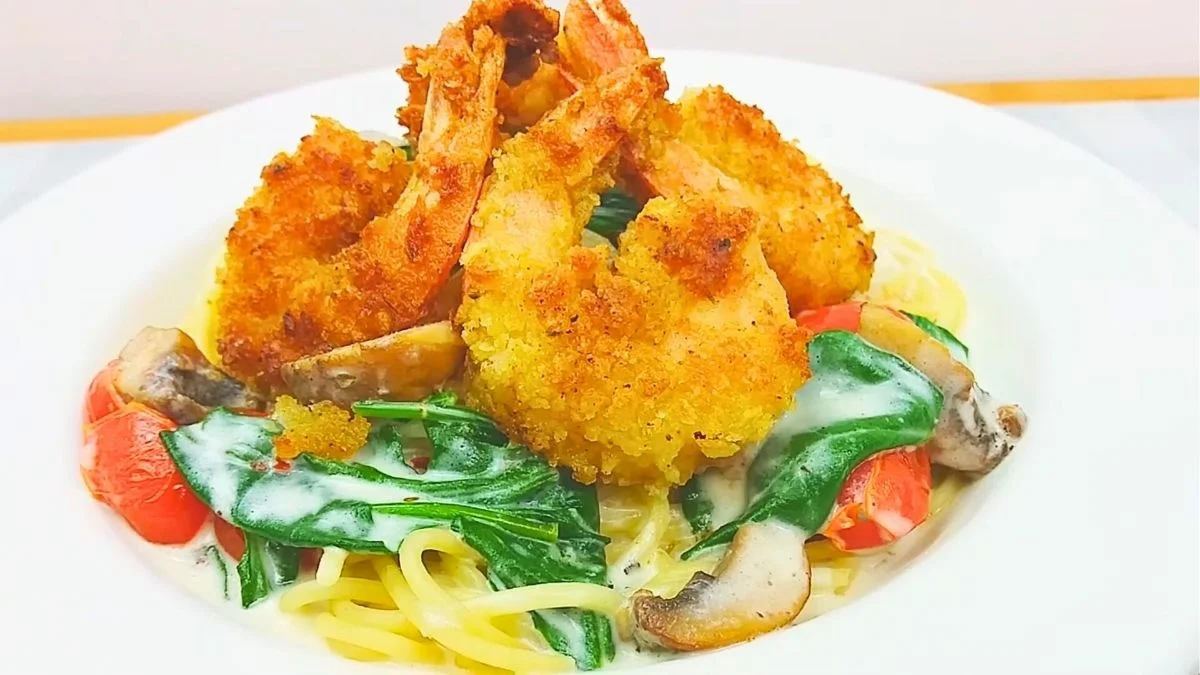
This cheesecake factory shrimp bistro pasta recipe captures every element that makes the original so irresistible-golden-fried colossal shrimp, earthy mushrooms, sweet grape tomatoes, and fresh arugula tossed in a velvety white wine cream sauce with bright citrus notes.
Whether you’ve been craving this signature bistro shrimp pasta from Cheesecake Factory or you’re discovering it for the first time, this restaurant-quality recipe delivers impressive results without requiring professional culinary skills. The secret lies in proper layering of flavors, maintaining the shrimp’s crispiness, and achieving that perfect balance between richness and brightness.
What Does It Taste Like?
The shrimp bistro pasta Cheesecake Factory offers a symphony of contrasting textures and complementary flavors that create an unforgettable dining experience. Each forkful delivers silky thin spaghetti coated in a luxuriously creamy lemon-butter sauce that’s both rich and refreshing.
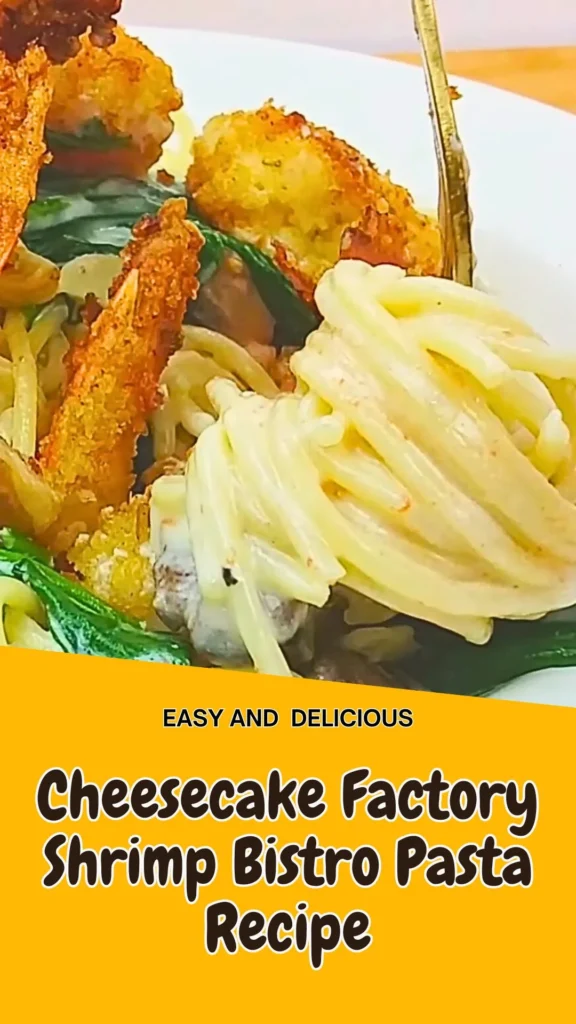
The crispy panko-breaded shrimp provides a satisfying crunch against the tender pasta, while their sweet, briny flavor contrasts beautifully with the tangy lemon notes. Sautéed baby bella mushrooms contribute earthy umami depth, while burst grape tomatoes add pops of sweet acidity.
Fresh arugula brings a peppery bite that cuts through the cream, and aromatic garlic and basil weave throughout, tying everything together. The overall profile is indulgent yet balanced-creamy without being heavy, bright without being sharp, sophisticated yet comforting.
Ingredients and Kitchen Utensils Lists
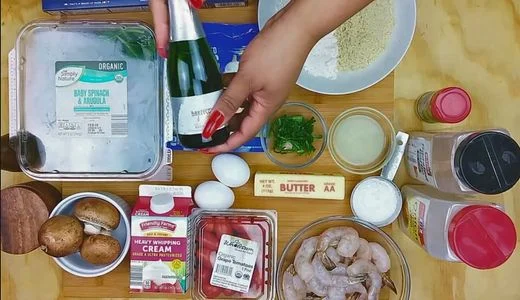
Ingredients
For the shrimp and breading:
- 1 lb colossal shrimp (peeled, tails on)
- 2 large eggs
- 1 cup all-purpose flour
- 1 cup panko breadcrumbs
- 1 teaspoon oregano (or Italian seasoning)
- 1 teaspoon roasted garlic seasoning
- 1 teaspoon onion powder
- Salt and pepper to taste
For the pasta and vegetables:
- 1 lb thin spaghetti
- 1 stick (8 tablespoons) butter, divided
- Olive oil for cooking
- 1 pint (2 cups) heavy cream
- 2 cups white wine (or chicken broth)
- ¼ cup cornstarch + ½ to ¾ cup fresh lemon juice (for slurry)
- 4 garlic cloves, sliced or minced
- 1 basket (8 oz) baby bella mushrooms, sliced
- 1 pint grape tomatoes
- 2 handfuls arugula/spinach mix
- 1 tablespoon fresh basil, chopped
- Red pepper flakes (optional)
- Pinch of sugar (optional)
Kitchen Utensils
- Large stockpot (for pasta)
- Large sauté pan or skillet (12-inch minimum)
- Medium mixing bowl
- Shallow dish (for breading station)
- Whisk
- Tongs
- Slotted spoon or spider strainer
- Sharp knife
- Cutting board
- Measuring cups and spoons
- Colander
- Wire rack (optional, for draining shrimp)
- Pasta serving bowls or plates
Preparation and Cooking Time with Serving
Prep Time: 20 minutes
Cook Time: 25 minutes
Total Time: 45 minutes
Servings: 4-6 people
Difficulty Level: Intermediate
Recipe Instructions with Steps
Step 1: Prep the Shrimp
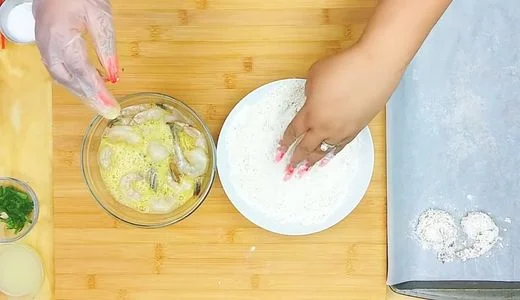
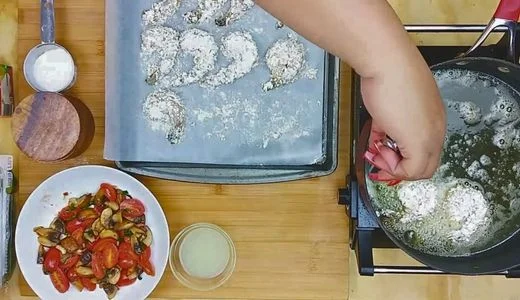
In a shallow dish, combine 1 cup all-purpose flour, 1 cup panko breadcrumbs, 1 teaspoon oregano, 1 teaspoon roasted garlic seasoning, and 1 teaspoon onion powder. Mix thoroughly to distribute the seasonings evenly throughout the breading mixture. Pat your colossal shrimp dry with paper towels and season lightly with salt and pepper on both sides. Here’s a time-saving trick: crack 2 eggs directly over the shrimp in their bowl and toss to coat completely-this eliminates the need for a separate egg wash station. Working with one shrimp at a time, dredge each piece in the seasoned breading mixture, pressing firmly to ensure the panko adheres well. Set the breaded shrimp aside on a plate and allow them to “set” for about 5 minutes while you prepare other components. This resting period helps the coating stick better during frying.
Step 2: Sauté the Vegetables
In your large sauté pan over medium-high heat, melt about 2 tablespoons of butter with a splash of olive oil. The butter adds rich flavor while the oil prevents burning. Add the sliced baby bella mushrooms and spread them in a single layer-avoid overcrowding, which causes steaming instead of browning. Let them cook undisturbed for 2-3 minutes until they develop a golden-brown color on one side. Add the minced or sliced garlic cloves and continue sautéing for another 2 minutes, stirring occasionally, until the mushrooms are tender and aromatic. Season with salt and pepper to taste. In the last minute of cooking, toss in the grape tomatoes, just warming them through without breaking them down completely-they should stay plump and intact. Transfer all the sautéed vegetables to a bowl and set aside. These will be folded back into the finished bistro shrimp pasta Cheesecake Factory at the end.
Step 3: Fry the Shrimp
Wipe out your pan if there are any burnt bits, then add about 3 tablespoons of butter along with enough olive oil to create a shallow pool covering the bottom of the pan-approximately ¼ inch deep. Heat over medium-high heat until the butter is melted and just beginning to shimmer. Carefully lay the breaded shrimp in the pan in a single layer, leaving space between each piece. Fry for 2-3 minutes per side until the panko coating turns a beautiful golden brown and the shrimp turn opaque and pink. Don’t overcrowd the pan; work in batches if necessary. The key to maintaining that signature crispy texture in your Cheesecake Factory shrimp bistro pasta is keeping the fried shrimp separate from the sauce until plating. Transfer the cooked shrimp to a wire rack or paper towel-lined plate to drain excess oil while you build the sauce.
Step 4: Build the Sauce
In a small bowl, whisk together ¼ cup cornstarch with ½ to ¾ cup fresh lemon juice until completely smooth with no lumps-this slurry will thicken your sauce without flour’s potential graininess. In the same pan you used for the shrimp (keeping those flavorful browned bits), pour in 2 cups white wine to deglaze, scraping up any caramelized bits from the bottom with a wooden spoon. Let the wine reduce by about one-third over medium-high heat, approximately 3-4 minutes. Lower the heat to medium and add the pint of heavy cream along with 4 tablespoons of butter, stirring until the butter melts completely. Gradually whisk in your cornstarch-lemon slurry, stirring constantly to prevent lumps. Allow the sauce to simmer gently for 3-5 minutes, whisking occasionally, until it thickens enough to coat the back of a spoon. Stir in the chopped fresh basil, a pinch of red pepper flakes if you want subtle heat, and optionally a small pinch of sugar to balance the lemon’s acidity. Taste and adjust seasoning with salt and pepper.
Step 5: Cook the Pasta
While your sauce simmers, bring a large pot of generously salted water to a rolling boil. Add 1 pound of thin spaghetti and cook according to package directions until al dente-typically 6-8 minutes. The pasta should be tender but still have a slight firmness when bitten. Reserve about 1 cup of the starchy pasta cooking water before draining, as this can help adjust the sauce consistency if needed. Drain the spaghetti in a colander but don’t rinse-the surface starch helps the sauce cling to the noodles. Timing is everything: your pasta should finish cooking just as your sauce reaches the perfect consistency.
Step 6: Assembly
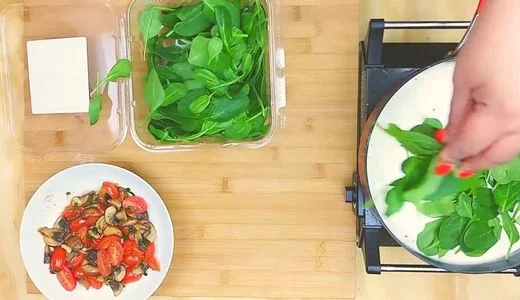
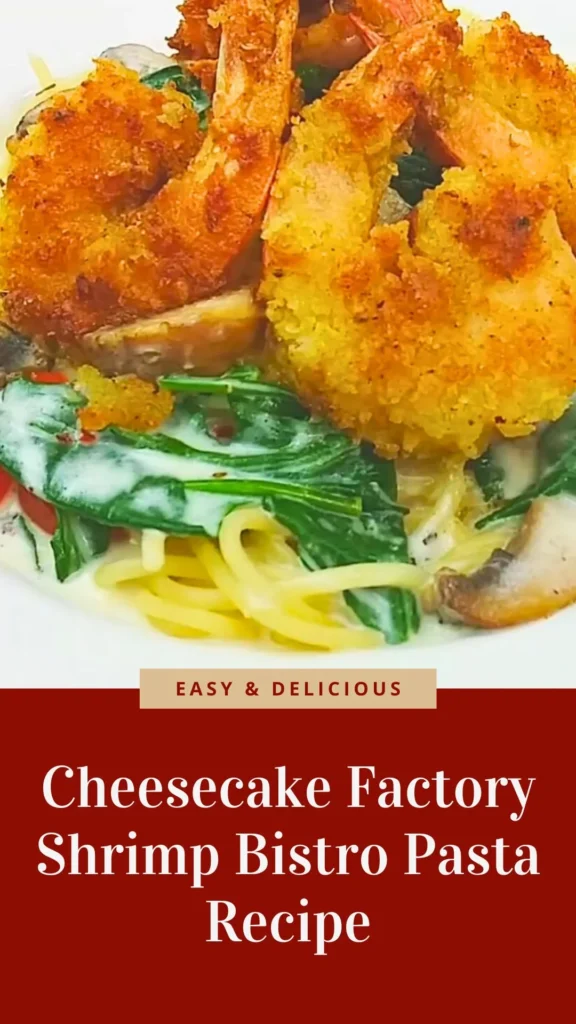
Add the drained al dente spaghetti directly into the pan with your creamy lemon sauce, using tongs to toss and coat every strand thoroughly. The pasta should glisten with sauce but not be swimming in liquid-if the sauce seems too thick, add reserved pasta water a tablespoon at a time until you achieve a silky consistency. Fold in your reserved sautéed mushrooms, garlic, and grape tomatoes, distributing them evenly throughout the pasta. At the very last moment-literally right before serving-add the fresh arugula and spinach mix, tossing just until the greens barely wilt but retain their vibrant color and peppery bite. This timing is crucial for the authentic shrimp bistro pasta Cheesecake Factory recipe texture. Using tongs, twirl portions of pasta into shallow bowls or onto plates, creating elegant nests. Arrange the crispy fried shrimp on top of each serving, allowing them to rest on the pasta rather than submerging them in sauce. This presentation keeps the shrimp coating gloriously crunchy.
Step 7: Final Touches
Spoon a bit of extra sauce from the pan around the edges of each plate for added richness. If desired, garnish with additional fresh basil leaves, a light dusting of grated Parmesan cheese, or a few grinds of black pepper. Serve immediately while the Cheesecake Factory shrimp bistro pasta is hot and the shrimp maintain their crispy exterior. Provide lemon wedges on the side for guests who enjoy extra brightness.
Customization and Pairing for Serving Ideas
1. Protein Variations for Different Preferences
While shrimp is the star of the original bistro shrimp pasta from Cheesecake Factory, you can easily adapt this recipe to accommodate different tastes or dietary needs. Substitute the shrimp with chicken breast cutlets pounded thin, breaded the same way, and pan-fried until golden and cooked through. Scallops also work beautifully-coat them in the panko mixture and sear for 2 minutes per side for a sweet, delicate alternative. For a vegetarian version, use thick slices of eggplant or portobello mushroom caps, breaded and fried until crispy. The lemon cream sauce pairs wonderfully with all these proteins while maintaining the dish’s elegant character.
2. Wine Pairing Perfection
Since white wine features prominently in the sauce, pairing your Cheesecake Factory shrimp bistro pasta recipe with the right beverage creates a harmonious dining experience. A crisp, unoaked Chardonnay echoes the buttery richness while providing enough acidity to cut through the cream. Sauvignon Blanc offers bright citrus notes that complement the lemon in the sauce. For Italian wine lovers, a Pinot Grigio or Vermentino provides mineral freshness that enhances the seafood. If serving a crowd with varied preferences, a dry sparkling wine like Prosecco or Champagne cleanses the palate between bites and adds celebratory elegance.
3. Pasta Shape Alternatives
While thin spaghetti is traditional for shrimp bistro pasta Cheesecake Factory, experimenting with different pasta shapes can create interesting textural variations. Linguine offers a slightly wider noodle that holds sauce exceptionally well. Angel hair (capellini) provides delicate, ultra-fine strands that feel luxurious and cook in under 5 minutes-perfect for weeknight preparation. For those who prefer shapes that capture more sauce, try pappardelle ribbons or even penne rigate, which allows the creamy sauce to nestle inside the tubes. Gluten-free pasta eaters can use quality rice-based or chickpea pasta varieties, adjusting cooking times according to package directions.
4. Vegetable Additions and Substitutions
The beauty of this bistro shrimp pasta Cheesecake Factory recipe lies in its vegetable versatility. While mushrooms, tomatoes, and arugula form the classic base, consider adding asparagus tips (blanched briefly before sautéing), sun-dried tomatoes for concentrated sweetness, or roasted red peppers for smoky depth. Swap baby bella mushrooms for shiitake or oyster mushrooms to add different earthy profiles. If arugula’s peppery bite is too strong for your palate, use only baby spinach or substitute fresh basil for an herbal-forward version. Adding thinly sliced zucchini ribbons or peas in the last minute of cooking introduces color and nutritional variety without overwhelming the dish’s refined character.
5. Make It a Complete Meal Experience
Transform your Cheesecake Factory shrimp bistro pasta into a full restaurant-worthy dinner by thoughtfully pairing it with complementary sides. Start with a simple arugula salad dressed with lemon vinaigrette and shaved Parmesan to echo the main dish’s flavors. Serve warm, crusty garlic bread or focaccia on the side for soaking up every drop of that luscious cream sauce. For added elegance, begin the meal with bruschetta topped with fresh tomatoes and basil, or a light soup like Italian wedding soup. The pasta itself is quite rich, so keep accompaniments light and fresh to maintain balance throughout the meal.
6. Spice Level Adjustments
The optional red pepper flakes in the sauce offer just a subtle background warmth, but you can easily customize the heat level to match your preferences. For a spicier shrimp bistro pasta Cheesecake Factory experience, increase the red pepper flakes to ½ teaspoon or add a few dashes of hot sauce directly to the cream sauce. Fresh jalapeño slices sautéed with the vegetables provide a different kind of heat-bright and grassy rather than dried-spice warmth. Conversely, if you’re cooking for heat-sensitive diners, simply omit the pepper flakes entirely. The dish remains flavorful and complex thanks to the garlic, herbs, and lemon brightness.
7. Portion Control and Lighter Versions
While the original Cheesecake Factory shrimp bistro pasta recipe is undeniably indulgent, you can create a lighter version that maintains the essential flavors with fewer calories. Use half-and-half instead of heavy cream, reducing the richness while still achieving a creamy texture. Increase the proportion of vegetables-add extra mushrooms, spinach, and tomatoes to bulk up servings without adding excessive calories. Rather than frying, you can bake the breaded shrimp at 425°F for 10-12 minutes until golden and crispy, using a light spray of cooking oil. Serve smaller pasta portions (2-3 ounces dry weight per person instead of 4) and increase the shrimp and vegetable components for a more protein-and-vegetable-forward plate that’s still satisfying.
Serve it with our Flower Child Cauliflower Risotto for a balanced side, or add extra flavor with Ike’s Dirty Sauce or Arby’s Bronco Berry Sauce for a delicious finishing touch.
Tips Section
1. Selecting and Preparing Perfect Shrimp
The quality of your shrimp dramatically impacts the final result of your Cheesecake Factory shrimp bistro pasta. Look for “colossal” or “jumbo” size designations-typically 16-20 count per pound-which provide substantial, meaty bites that don’t get lost among the pasta. Fresh wild-caught shrimp offer the best flavor, but high-quality frozen shrimp work perfectly well and are often fresher than “fresh” shrimp at the counter, since they’re frozen immediately after harvest. If using frozen, thaw them overnight in the refrigerator or quickly under cold running water. Always thoroughly pat shrimp dry with paper towels before breading-excess moisture prevents the coating from adhering properly and causes splattering during frying. Leaving the tails on not only looks elegant but also provides a natural handle for diners.
2. Achieving Ultra-Crispy Panko Coating
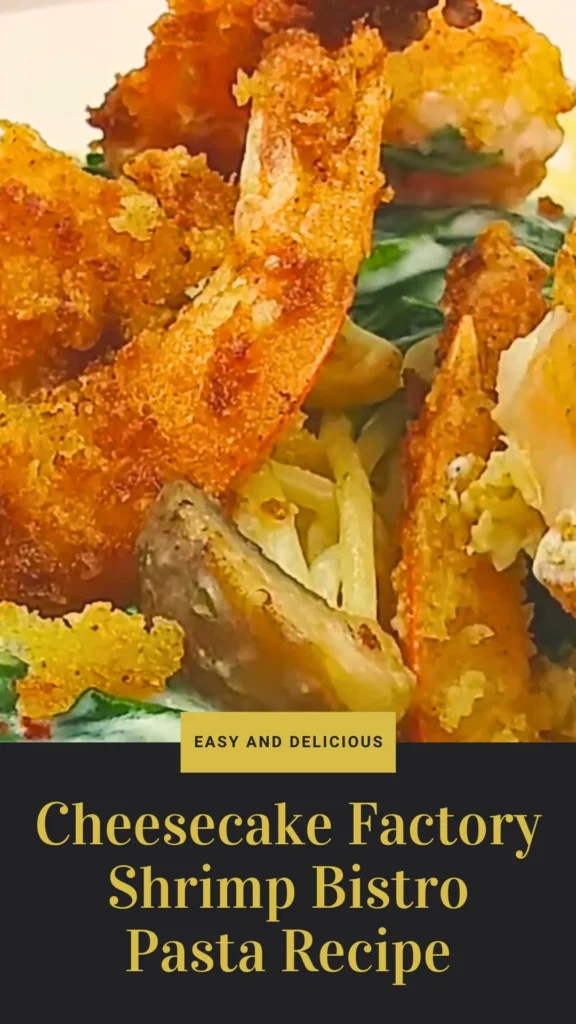
The golden, crunchy exterior is a hallmark of authentic bistro shrimp pasta from Cheesecake Factory, and several techniques ensure maximum crispiness. First, after coating the shrimp, let them rest for 5-10 minutes before frying-this allows the breading to “set” and bond with the egg layer. Use panko breadcrumbs rather than regular breadcrumbs; their larger, flakier texture creates superior crunch. Ensure your oil-butter mixture is hot enough (around 350°F) before adding shrimp-if it’s not sufficiently hot, the coating absorbs oil and becomes greasy instead of crisp. Don’t overcrowd the pan; shrimp should have space between them to fry rather than steam. Most importantly, keep the fried shrimp out of the sauce until serving; place them on top just before eating to maintain their crunch.
3. Mastering the Lemon Cream Sauce Consistency
The silky, perfectly thickened sauce is crucial to an authentic shrimp bistro pasta Cheesecake Factory recipe. The cornstarch-lemon slurry method provides foolproof thickening without the floury taste sometimes associated with traditional roux-based sauces. Whisk the cornstarch completely into the lemon juice before adding to the cream-any lumps will become gelatinous pockets in your sauce. Add the slurry gradually while whisking constantly, allowing the sauce to come to a gentle simmer to activate the cornstarch’s thickening power. If your sauce becomes too thick, thin it with reserved pasta water, white wine, or a splash of additional cream. Conversely, if it’s too thin, let it simmer longer to reduce, or make a small additional cornstarch slurry (1 tablespoon cornstarch + 2 tablespoons cold water) and whisk in gradually.
4. Lemon Balance: Brightness Without Bitterness
The citrus element distinguishes this dish from standard cream pasta, but achieving the right lemon intensity requires care. Always use fresh lemon juice, never bottled-fresh provides clean, bright acidity without artificial aftertaste. Start with ½ cup of lemon juice in your slurry and taste the finished sauce before adding more. Different lemons vary in acidity and juice content, so adjust based on your preference. The optional pinch of sugar isn’t about making the sauce sweet; it rounds out harsh acidic edges and creates a more complex flavor profile. If your sauce tastes too lemony or sharp, add a bit more butter and cream to mellow it. Remember that the sauce will taste quite lemony on its own, but when combined with pasta, vegetables, and shrimp, the brightness balances beautifully.
5. Timing the Pasta Perfectly
Coordinating all components of Cheesecake Factory shrimp bistro pasta so everything finishes simultaneously is key to serving it at its best. Start heating your pasta water early-it takes longer than you think to reach a rolling boil. Add the spaghetti to the boiling water right around the time you begin building your sauce. Thin spaghetti typically cooks in 6-8 minutes, and your sauce takes about 8-10 minutes from deglazing to final consistency, so this timing works perfectly. Cook the pasta just until al dente (tender but with a slight firmness), as it will continue cooking slightly when tossed in the hot sauce. Slightly undercook if anything-mushy, overcooked pasta cannot be fixed and compromises the entire dish’s texture.
6. The Importance of Fresh Herbs and Greens
While dried herbs have their place, fresh basil is non-negotiable for achieving the authentic bistro shrimp pasta Cheesecake Factory flavor profile. Fresh basil provides aromatic brightness and a slight anise note that dried basil simply cannot match. Chop it just before adding to the sauce to preserve maximum flavor and aroma. Similarly, the arugula and spinach mix should be genuinely fresh-wilted or yellowing greens will taste bitter and look unappetizing. The greens should be added at the absolute last moment and barely wilted; they should retain some structural integrity and peppery bite rather than collapsing into a soggy mass. This technique keeps the dish feeling fresh and light despite its rich cream sauce foundation.
7. Make-Ahead Strategy for Entertaining
While shrimp bistro pasta Cheesecake Factory recipe is best served immediately, you can prepare several components in advance for easier entertaining. Bread the raw shrimp up to 4 hours ahead and refrigerate on a plate covered with plastic wrap-bring to room temperature for 10 minutes before frying. Slice all your vegetables in advance and store in airtight containers. Pre-measure your sauce ingredients (wine, cream, cornstarch slurry) so you can work quickly during the final preparation. You can even make the cream sauce base a few hours ahead and gently reheat it, adding the greens only at serving time. However, fry the shrimp and cook the pasta fresh-these cannot be successfully made ahead without compromising texture. With smart prep work, you’ll spend only about 15 minutes on final cooking, allowing you to enjoy your guests rather than being stuck in the kitchen.
Storage and Reheating Guidance
Store leftover Cheesecake Factory shrimp bistro pasta in an airtight container in the refrigerator for up to 2 days. Keep the shrimp separate from the pasta if possible to maintain some crispness. Reheat pasta gently in a skillet over medium-low heat, adding a splash of cream, white wine, or pasta water to refresh the sauce. Reheat shrimp separately in a 350°F oven for 5-6 minutes to restore some crispiness. Avoid microwaving as it makes shrimp rubbery and pasta gummy.
Common Queries and FAQs Section
Here, we’ve got you covered with some common questions that people often ask
Q: Can I use regular breadcrumbs instead of panko for the shrimp?
A: While regular breadcrumbs will work in a pinch, panko is strongly recommended for achieving the signature crispy texture of Cheesecake Factory shrimp bistro pasta. Panko breadcrumbs are larger, lighter, and flakier than traditional breadcrumbs, creating a crunchier, more delicate coating that stays crisp longer. If you only have regular breadcrumbs, consider pulsing them briefly in a food processor to create a slightly coarser texture, or toast them in a dry skillet first to remove moisture and enhance crunch.
Q: What’s the best substitute for white wine in the sauce?
A: If you prefer not to use alcohol in your bistro shrimp pasta Cheesecake Factory, chicken broth makes an excellent substitute and is specifically mentioned in the recipe. For even closer flavor approximation to wine, use a combination of chicken broth with a tablespoon of white wine vinegar or additional lemon juice to mimic wine’s acidity. Vegetable broth works for a lighter option. Avoid sweet cooking wines or anything labeled “cooking wine” with added salt-these will make the sauce taste artificial and unbalanced.
Q: Why do my shrimp turn out rubbery?
A: Rubbery shrimp typically result from overcooking. Shrimp cook incredibly quickly-generally just 2-3 minutes per side when pan-frying. They’re done when they turn pink and opaque throughout; any longer and the proteins tighten excessively, creating that unpleasant rubber band texture. Watch for the color change carefully and remove them from heat immediately. Starting with room-temperature shrimp (not straight from the refrigerator) helps them cook more evenly without overdoing the exterior while waiting for the center to cook through.
Q: Can I make this dish gluten-free?
A: Absolutely! For a gluten-free shrimp bistro pasta Cheesecake Factory recipe, use gluten-free panko breadcrumbs (available at most grocery stores) and replace the all-purpose flour in the breading with rice flour, cornstarch, or a gluten-free flour blend. Use your favorite gluten-free pasta-rice-based, corn-based, or chickpea pasta all work beautifully with the cream sauce. Just follow the package directions for cooking time, as gluten-free pasta often requires slightly different timing than wheat-based varieties.
Q: How can I tell when the cream sauce is thick enough?
A: The perfect Cheesecake Factory shrimp bistro pasta sauce should coat the back of a spoon without being gloppy or running off immediately. Run your finger across the back of the coated spoon-if it leaves a clear trail that doesn’t immediately fill back in, the sauce is ready. It should have a silky, pourable consistency rather than thick gravy texture. Remember that the sauce will continue to thicken slightly as it cools and especially when it comes in contact with the hot pasta, so err slightly on the thinner side when cooking.
Q: Can I prepare this recipe without frying the shrimp?
A: Yes! For a lighter version with less oil, you can bake the breaded shrimp instead. Arrange them on a wire rack set over a baking sheet, spray lightly with cooking oil, and bake at 425°F for 10-12 minutes, flipping halfway through, until golden brown and cooked through. While baked shrimp won’t have quite the same rich, crispy texture as fried, they’re still delicious and significantly reduce the fat content. You can also air-fry breaded shrimp at 400°F for 8-10 minutes for a compromise between traditional frying and baking.
Q: What if I don’t have fresh basil?
A: Fresh basil contributes significant aromatic complexity to the authentic bistro shrimp pasta from Cheesecake Factory, but if unavailable, you can substitute with 1 teaspoon dried basil (add it earlier, when building the sauce, so it has time to rehydrate and release flavor). Alternatively, fresh parsley provides a different but still pleasant herbaceous note. You could also use a combination of dried Italian seasoning, which typically contains basil along with oregano and thyme. For the best possible result, consider keeping a small basil plant on your kitchen windowsill for year-round access to fresh herbs.
Q: How do I prevent the pasta from clumping together?
A: To keep your spaghetti flowing freely in your shrimp bistro pasta Cheesecake Factory, use plenty of water when cooking-at least 4-6 quarts for one pound of pasta. Salt the water generously (it should taste like seawater). Stir the pasta immediately after adding it to the boiling water and occasionally during cooking to prevent strands from sticking together. Don’t rinse the pasta after draining unless you’re making a cold pasta salad-the surface starch helps the sauce adhere. If pasta sits for a moment before being added to the sauce, toss it with a tiny drizzle of olive oil to prevent clumping.
Cheesecake Factory Shrimp Bistro Pasta Recipe
Ingredients
Equipment
Method
- In a shallow dish, combine 1 cup all-purpose flour, 1 cup panko breadcrumbs, 1 teaspoon oregano, 1 teaspoon roasted garlic seasoning, and 1 teaspoon onion powder. Mix thoroughly to distribute the seasonings evenly throughout the breading mixture. Pat your colossal shrimp dry with paper towels and season lightly with salt and pepper on both sides. Here’s a time-saving trick: crack 2 eggs directly over the shrimp in their bowl and toss to coat completely-this eliminates the need for a separate egg wash station. Working with one shrimp at a time, dredge each piece in the seasoned breading mixture, pressing firmly to ensure the panko adheres well. Set the breaded shrimp aside on a plate and allow them to “set” for about 5 minutes while you prepare other components. This resting period helps the coating stick better during frying.
- In your large sauté pan over medium-high heat, melt about 2 tablespoons of butter with a splash of olive oil. The butter adds rich flavor while the oil prevents burning. Add the sliced baby bella mushrooms and spread them in a single layer-avoid overcrowding, which causes steaming instead of browning. Let them cook undisturbed for 2-3 minutes until they develop a golden-brown color on one side. Add the minced or sliced garlic cloves and continue sautéing for another 2 minutes, stirring occasionally, until the mushrooms are tender and aromatic. Season with salt and pepper to taste. In the last minute of cooking, toss in the grape tomatoes, just warming them through without breaking them down completely-they should stay plump and intact. Transfer all the sautéed vegetables to a bowl and set aside. These will be folded back into the finished bistro shrimp pasta Cheesecake Factory at the end.
- Wipe out your pan if there are any burnt bits, then add about 3 tablespoons of butter along with enough olive oil to create a shallow pool covering the bottom of the pan-approximately ¼ inch deep. Heat over medium-high heat until the butter is melted and just beginning to shimmer. Carefully lay the breaded shrimp in the pan in a single layer, leaving space between each piece. Fry for 2-3 minutes per side until the panko coating turns a beautiful golden brown and the shrimp turn opaque and pink. Don’t overcrowd the pan; work in batches if necessary. The key to maintaining that signature crispy texture in your Cheesecake Factory shrimp bistro pasta is keeping the fried shrimp separate from the sauce until plating. Transfer the cooked shrimp to a wire rack or paper towel-lined plate to drain excess oil while you build the sauce.
- In a small bowl, whisk together ¼ cup cornstarch with ½ to ¾ cup fresh lemon juice until completely smooth with no lumps-this slurry will thicken your sauce without flour’s potential graininess. In the same pan you used for the shrimp (keeping those flavorful browned bits), pour in 2 cups white wine to deglaze, scraping up any caramelized bits from the bottom with a wooden spoon. Let the wine reduce by about one-third over medium-high heat, approximately 3-4 minutes. Lower the heat to medium and add the pint of heavy cream along with 4 tablespoons of butter, stirring until the butter melts completely. Gradually whisk in your cornstarch-lemon slurry, stirring constantly to prevent lumps. Allow the sauce to simmer gently for 3-5 minutes, whisking occasionally, until it thickens enough to coat the back of a spoon. Stir in the chopped fresh basil, a pinch of red pepper flakes if you want subtle heat, and optionally a small pinch of sugar to balance the lemon’s acidity. Taste and adjust seasoning with salt and pepper.
- While your sauce simmers, bring a large pot of generously salted water to a rolling boil. Add 1 pound of thin spaghetti and cook according to package directions until al dente-typically 6-8 minutes. The pasta should be tender but still have a slight firmness when bitten. Reserve about 1 cup of the starchy pasta cooking water before draining, as this can help adjust the sauce consistency if needed. Drain the spaghetti in a colander but don’t rinse-the surface starch helps the sauce cling to the noodles. Timing is everything: your pasta should finish cooking just as your sauce reaches the perfect consistency.
- Add the drained al dente spaghetti directly into the pan with your creamy lemon sauce, using tongs to toss and coat every strand thoroughly. The pasta should glisten with sauce but not be swimming in liquid-if the sauce seems too thick, add reserved pasta water a tablespoon at a time until you achieve a silky consistency. Fold in your reserved sautéed mushrooms, garlic, and grape tomatoes, distributing them evenly throughout the pasta. At the very last moment-literally right before serving-add the fresh arugula and spinach mix, tossing just until the greens barely wilt but retain their vibrant color and peppery bite. This timing is crucial for the authentic shrimp bistro pasta Cheesecake Factory recipe texture. Using tongs, twirl portions of pasta into shallow bowls or onto plates, creating elegant nests. Arrange the crispy fried shrimp on top of each serving, allowing them to rest on the pasta rather than submerging them in sauce. This presentation keeps the shrimp coating gloriously crunchy.
- Spoon a bit of extra sauce from the pan around the edges of each plate for added richness. If desired, garnish with additional fresh basil leaves, a light dusting of grated Parmesan cheese, or a few grinds of black pepper. Serve immediately while the Cheesecake Factory shrimp bistro pasta is hot and the shrimp maintain their crispy exterior. Provide lemon wedges on the side for guests who enjoy extra brightness.
Video
Notes
This Cheesecake Factory shrimp bistro pasta recipe delivers all the elegance and sophisticated flavors of the restaurant original in a format that home cooks can confidently master. The combination of crispy panko-crusted shrimp, silky lemon cream sauce, tender spaghetti, and fresh vegetables creates a dish that’s both comforting and refined-perfect for special occasions or when you want to treat yourself to restaurant-quality dining at home. By following the detailed techniques for maintaining shrimp crispiness, achieving the ideal sauce consistency, and timing all components perfectly, you’ll create a bistro shrimp pasta Cheesecake Factory experience that rivals the original. With the customization options and expert tips provided, you can adapt this recipe to your preferences while preserving the essence that makes it so beloved. Enjoy bringing this restaurant classic to your own table!
We’d love to hear how this recipe turns out for you! Give it a try, then drop a comment below to share your thoughts and tips with us.
Also, follow along on Pinterest and Youtube for more tasty updates. Your support and thoughts mean the world!
Looks Delicious
Thanks